

Over eight million British adults experience some level of hearing loss, yet many people struggle to find the right digital hearing aid for their needs. Choosing the perfect device is not just about technology or price—it shapes everyday conversations and quality of life. Whether you spend your days in quiet settings or bustling work meetings, this guide will show you how to match the latest hearing aid features with your individual lifestyle for greater clarity and confidence.
Table of Contents
- Step 1: Assess Your Hearing Needs And Lifestyle
- Step 2: Compare Digital Hearing Aids And Features
- Step 3: Choose The Right Model For Your Requirements
- Step 4: Set Up And Personalise Your Hearing Aid
- Step 5: Test And Optimise Performance For Daily Use
Quick Summary
| Key Insight | Explanation |
|---|---|
| 1. Assess your hearing needs | Evaluate how hearing loss affects your life by identifying challenging environments and keeping a hearing diary for two weeks. |
| 2. Compare hearing aid features | Understand key technologies, create a comparison matrix, and prioritise features based on your lifestyle and specific hearing challenges. |
| 3. Choose the right model | Consider style, comfort, and functionality by examining different hearing aid types, focusing on technological capabilities and personal preferences. |
| 4. Personalise your hearing aid | Gradually adapt to your device, exploring its features and documenting any challenges to make necessary adjustments for an optimal experience. |
| 5. Test for performance optimisation | Wear your hearing aid in various environments and track performance systematically, adjusting settings to achieve the best sound quality and comfort. |
Step 1: Assess your hearing needs and lifestyle
Your journey to finding the perfect digital hearing aid begins with understanding your unique hearing requirements and daily environment. This crucial first step involves carefully evaluating how hearing loss impacts your personal and professional life, helping you identify the most suitable hearing solution that seamlessly integrates with your lifestyle.
Start by conducting an honest assessment of your hearing challenges. Consider the settings where you struggle most: are conversations difficult in crowded restaurants, during work meetings, or while watching television? Gradually adapting to hearing aids requires understanding precisely where sound comprehension becomes challenging. Track specific situations that create communication barriers, such as background noise, telephone conversations, or group discussions. Make detailed notes about your hearing experiences, including frequency of misunderstandings, types of environments causing difficulty, and emotional responses to communication challenges.
Practical tip: Create a hearing diary for two weeks before consulting a professional. Document specific scenarios where you experience hearing difficulties, noting the environment, number of people present, and your emotional response. This comprehensive record will provide valuable insights for selecting the most appropriate digital hearing aid tailored to your unique lifestyle needs.
Step 2: Compare digital hearing aids and features
Navigating the world of digital hearing aids requires a strategic approach to understanding the diverse range of technologies and features available in the UK market. This step will help you methodically evaluate different hearing aid options to find the most suitable solution for your specific hearing needs and lifestyle requirements.
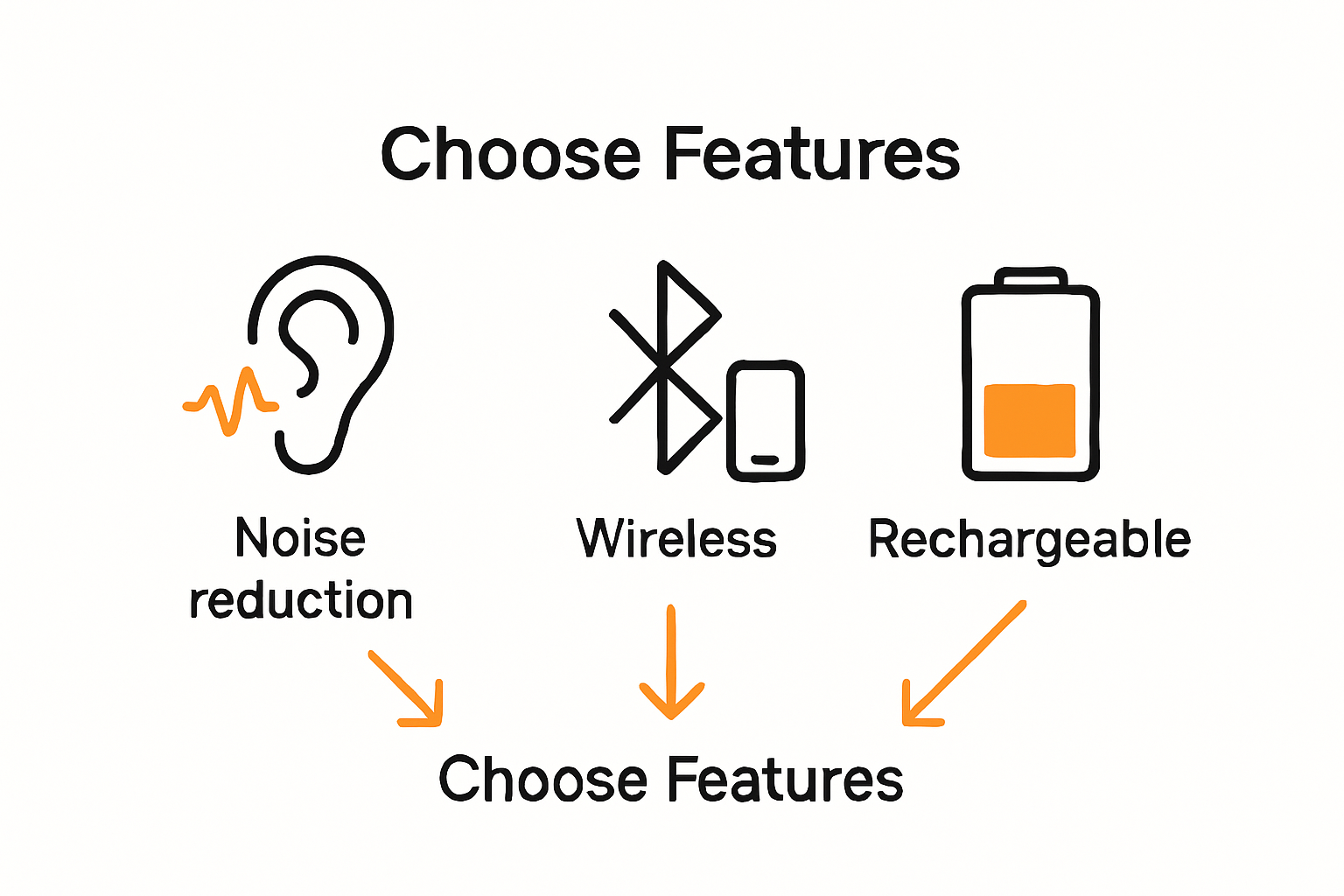
Begin by examining key technological features that distinguish modern digital hearing aids. Different hearing aid technologies offer unique benefits, such as noise reduction, directional microphones, bluetooth connectivity, and rechargeable batteries. Create a comparison matrix listing essential features like battery life, sound processing capabilities, water resistance, smartphone compatibility, and customisation options. Pay close attention to features that align with your specific hearing challenges, such as background noise management for busy social environments or wireless streaming capabilities for work and entertainment.
Practical tip: Prioritise features based on your lifestyle needs. For individuals who are frequently in professional settings, bluetooth connectivity and speech enhancement technologies might be crucial. Conversely, those leading more active lifestyles might prioritise water resistance and robust battery performance. Remember that the most expensive hearing aid is not always the best fit each user requires a personalised technology solution that seamlessly integrates with their daily experiences.
Step 3: Choose the right model for your requirements
Selecting the perfect digital hearing aid model requires careful consideration of your unique hearing profile, lifestyle demands, and personal preferences. This critical step transforms your research into a targeted decision that will significantly improve your hearing experience and overall quality of life.
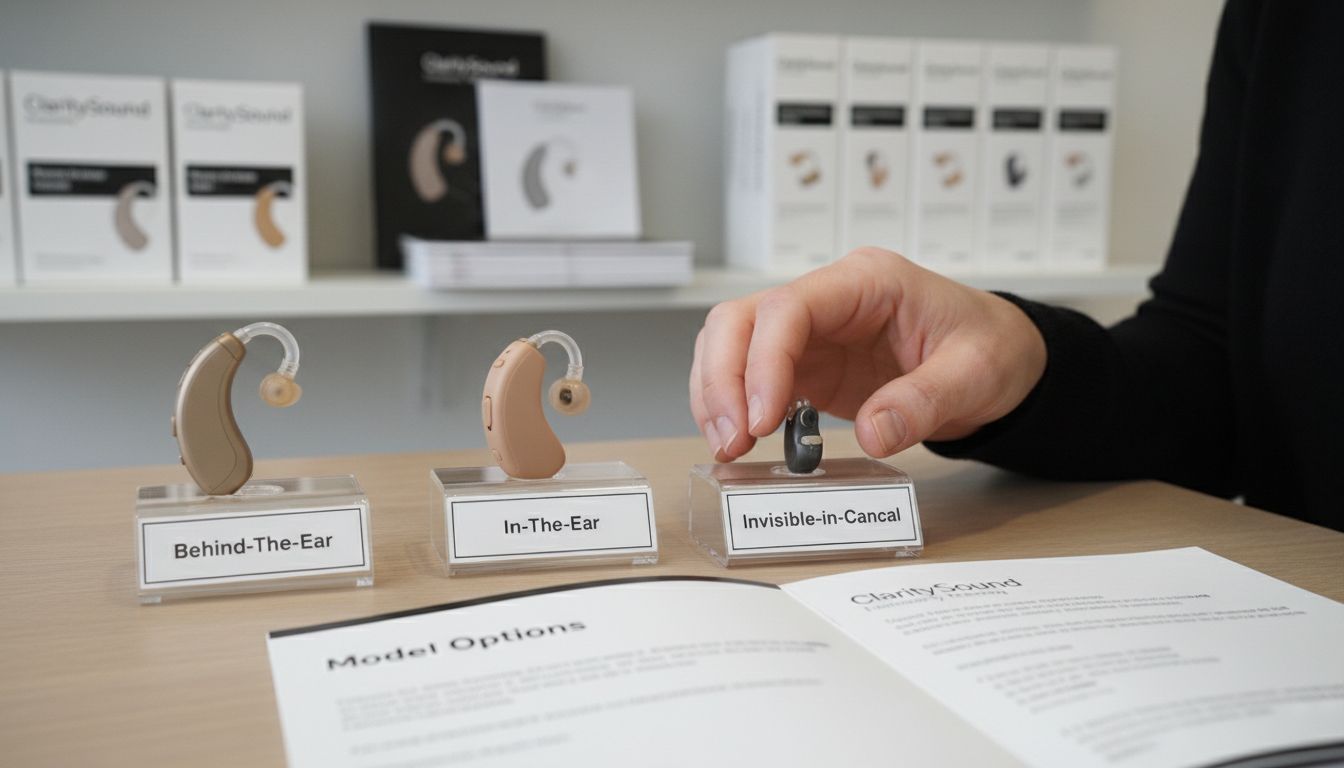
Examine the different hearing aid styles available in the UK market, considering factors such as discretion, comfort, and functionality. Hearing aid features play a crucial role in determining the most suitable model. Behind the ear (BTE) models offer robust performance and easier maintenance, while in the ear (ITE) and completely in canal (CIC) options provide maximum discretion. Consider your manual dexterity, aesthetic preferences, and specific hearing loss characteristics when evaluating these styles. Pay close attention to additional technological capabilities such as wireless connectivity, rechargeable batteries, and advanced sound processing algorithms that can dramatically enhance your hearing experience.
Practical tip: Create a personal priority list ranking the most important features for your lifestyle. Younger professionals might prioritise sleek, invisible designs with smartphone connectivity, while those with limited dexterity might prefer larger models with simple controls and extended battery life. Remember that the ideal hearing aid is not a one size fits all solution but a personalised device that seamlessly integrates with your daily experiences and communication needs.
Step 4: Set up and personalise your hearing aid
Successfully setting up and personalising your digital hearing aid requires patience, careful attention to detail, and a strategic approach to adapting to your new auditory device. This step transforms your hearing aid from a generic technology into a personalised tool specifically calibrated to your unique hearing needs.
Gradually increasing hearing aid usage is crucial for comfortable adaptation. Begin by starting in quiet environments and progressively wearing your device in more challenging acoustic settings. Familiarise yourself with the device controls, exploring features like volume adjustment, programme settings, and connectivity options. Take time to experiment with smartphone apps that allow fine tuning and personalisation, ensuring the sound quality matches your specific hearing requirements. Pay close attention to how different environments impact your hearing experience and be prepared to make incremental adjustments.
Practical tip: Create a personalisation diary tracking your experiences with the hearing aid. Document sound quality, comfort levels, and any challenges in various settings. This systematic approach will help you and your audiologist make precise adjustments, transforming your device into a seamless extension of your hearing experience. Remember that personalisation is an ongoing process requiring patience and consistent fine tuning to achieve optimal results.
Step 5: Test and optimise performance for daily use
Optimising your digital hearing aid’s performance requires a strategic and patient approach to understanding how the device interacts with your unique hearing environment. This critical stage transforms your hearing technology from a simple amplification tool into a personalised communication companion.
Wearing hearing aids in various environments helps the brain adapt to new sound processing techniques. Begin by conducting systematic tests across different acoustic settings such as quiet rooms, busy cafes, workplace environments, and outdoor spaces. Use the smartphone app associated with your device to make real time adjustments, focusing on clarity, background noise reduction, and speech enhancement. Pay close attention to how sound quality changes between environments, noting specific challenges like wind noise, echo, or conversation difficulties. Experiment with different programme settings to find the optimal configuration that provides the most natural and comfortable listening experience.
Practical tip: Create a performance tracking log documenting your hearing aid’s effectiveness in different scenarios. Record specific details such as sound clarity, comfort level, battery performance, and any technical challenges encountered. This methodical approach will help you and your audiologist fine tune the device, ensuring maximum performance and satisfaction. Remember that audio adaptation is a gradual process requiring consistent testing and incremental adjustments.
Discover Your Ideal Digital Hearing Aid with Audora Today
Navigating the complexities of hearing loss and finding a digital hearing aid that fits your lifestyle can feel overwhelming. From understanding specific challenges like background noise or dexterity issues to choosing between discreet or feature-rich models, the journey is deeply personal. At Audora Home page – Audora, we simplify this process by offering a curated selection of UKCA-certified, AI-powered hearing aids tailored to your unique needs. Our transparent pricing and direct-to-consumer approach mean you avoid inflated costs and lengthy waits.
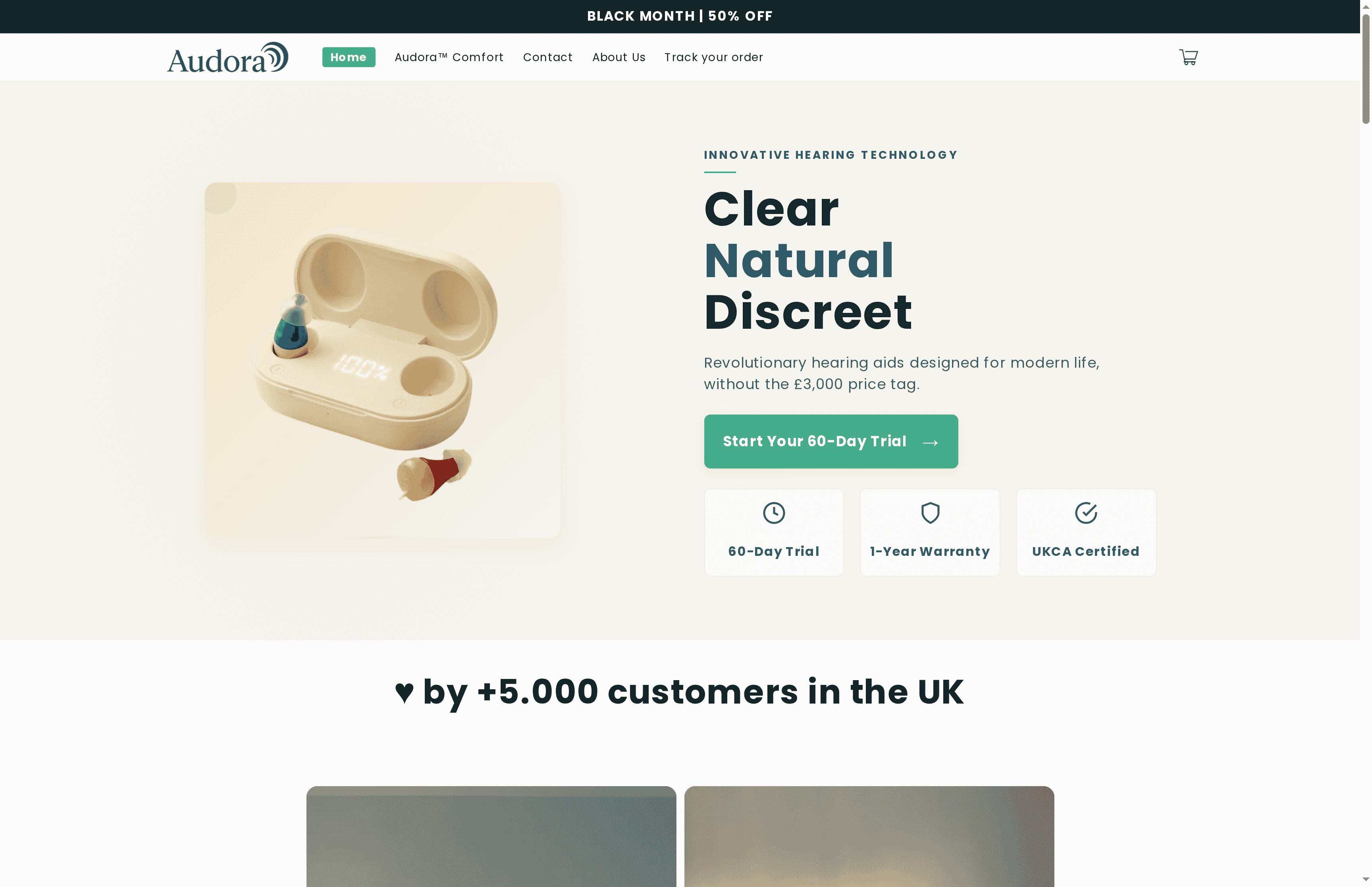
Take control of your hearing health today by exploring devices with rechargeable batteries, smartphone app control and invisible in-ear designs. Experience the comfort of personalised sound settings without clinic visits or commissions. Visit https://getaudora.co.uk now and start your journey to clearer, more confident hearing with expert guidance and exclusive offers available only for a limited time.
Frequently Asked Questions
How can I assess my hearing needs before choosing digital hearing aids?
To assess your hearing needs, honestly evaluate how hearing loss affects your daily activities and environments. Keep a hearing diary for two weeks, documenting specific challenges faced in different settings to better inform your choice of hearing aid.
What key features should I compare in digital hearing aids?
When comparing digital hearing aids, focus on key features like noise reduction, battery life, sound processing capabilities, and connectivity options. Make a comparison matrix to rank these features based on your lifestyle requirements to ensure you select the most suitable option.
How do I choose the right model of digital hearing aid?
To choose the right model, consider factors such as comfort, discretion, and the specific hearing challenges you face. Create a personal priority list rating the features most important to you, like design and technology, to help guide your decision.
What steps should I take to personalise my digital hearing aid?
To personalise your hearing aid, begin by gradually increasing your usage in various environments while familiarising yourself with its controls. Document your experiences in a personalisation diary to track sound quality and adjustments needed for optimal performance.
How can I optimise my digital hearing aid’s performance for different situations?
Optimising your hearing aid requires testing it in various acoustic settings, like quiet rooms and busy cafes. Keep a performance tracking log detailing sound quality and any challenges faced, allowing for precise adjustments to enhance your overall listening experience.