

More than two-thirds of british adults now feel confident managing hearing support at home, according to recent studies. As hearing technology advances, many people are rethinking the need for repeated clinic visits when trialling aids. Home hearing aid trials put you in control, letting you test solutions in your own environment and daily routines. This guide offers practical details and fresh insights to help you approach home hearing aid trials with confidence and clarity.
Table of Contents
- What Home Hearing Aid Trials Involve
- Benefits of At-Home Hearing Aid Testing
- Comparing Clinic Versus Home Hearing Trials
- How to Choose the Right Hearing Aid
- Common Mistakes When Trialling at Home
Key Takeaways
| Point | Details |
|---|---|
| Home Hearing Aid Trials | These trials allow users to assess hearing devices in their own environment, offering comfort and convenience without traditional clinical constraints. |
| Benefits of At-Home Testing | At-home hearing aid testing provides privacy, cost-effectiveness, and a personalised experience, enabling users to explore solutions at their own pace. |
| Choosing the Right Hearing Aid | Selecting a hearing aid requires considering personal hearing needs, lifestyle, and device features for optimal sound enhancement. |
| Common Mistakes in Home Trials | Users should avoid incorrect fitting, unrealistic expectations, and insufficient testing environments to ensure an effective trial experience. |
What Home Hearing Aid Trials Involve
Home hearing aid trials provide an innovative approach for individuals experiencing hearing challenges to assess potential hearing solutions without traditional clinical constraints. According to research by the University of Manchester, a significant proportion of UK adults are now comfortable with self-directed hearing care and willing to test hearing aids independently.
A typical home hearing aid trial involves several key components designed to help users evaluate device performance and comfort in their personal environment. These trials typically include:
- Receiving a pre-configured hearing aid package directly at home
- Comprehensive instructions for initial setup and usage
- Personalised fitting guidance through digital platforms or support materials
- A specified trial period (usually 14-30 days) to assess device effectiveness
- Optional remote support from hearing specialists
The trial process enables individuals to understand how hearing aids function within their daily routines, testing devices during conversations, while watching television, or during social interactions. Research from gov.uk indicates that home trials can provide more authentic insights compared to clinical settings, as users experience the devices in genuine personal contexts.
Key advantages of home hearing aid trials include flexibility, convenience, and the ability to make informed decisions without significant upfront financial commitment. By removing traditional barriers like lengthy appointments and complex clinical processes, home trials democratise access to hearing healthcare, allowing users to explore solutions comfortably and confidently.
Benefits of At-Home Hearing Aid Testing
At-home hearing aid testing offers a revolutionary approach to hearing healthcare, empowering individuals to take control of their auditory wellness with unprecedented convenience. According to gov.uk, the UK government has recently approved innovative hearing aids that enable users to independently test and adjust their devices, marking a significant stride in accessible hearing solutions.
The benefits of at-home hearing aid testing are substantial and transformative:
- Privacy and Comfort: Test hearing aids in familiar environments without clinical pressure
- Cost-Effective: Eliminate expensive clinic appointments and consultation fees
- Personalised Experience: Adjust settings in real-world scenarios that matter most to you
- Time-Saving: Skip lengthy waiting lists and multiple professional appointments
- Reduced Anxiety: Explore hearing solutions at your own pace and comfort level
Moreover, RNID highlights that self-testing hearing aids can significantly empower individuals, encouraging more proactive management of hearing health. By providing tools for independent assessment, these technologies break down traditional barriers that often prevent people from seeking hearing support.
The psychological impact of at-home testing cannot be overstated. Users can explore hearing aid technologies without feeling judged or overwhelmed, creating a more positive and personalised journey towards better hearing. This approach transforms hearing aid selection from a clinical transaction into a supportive, user-centred experience that respects individual preferences and comfort levels.
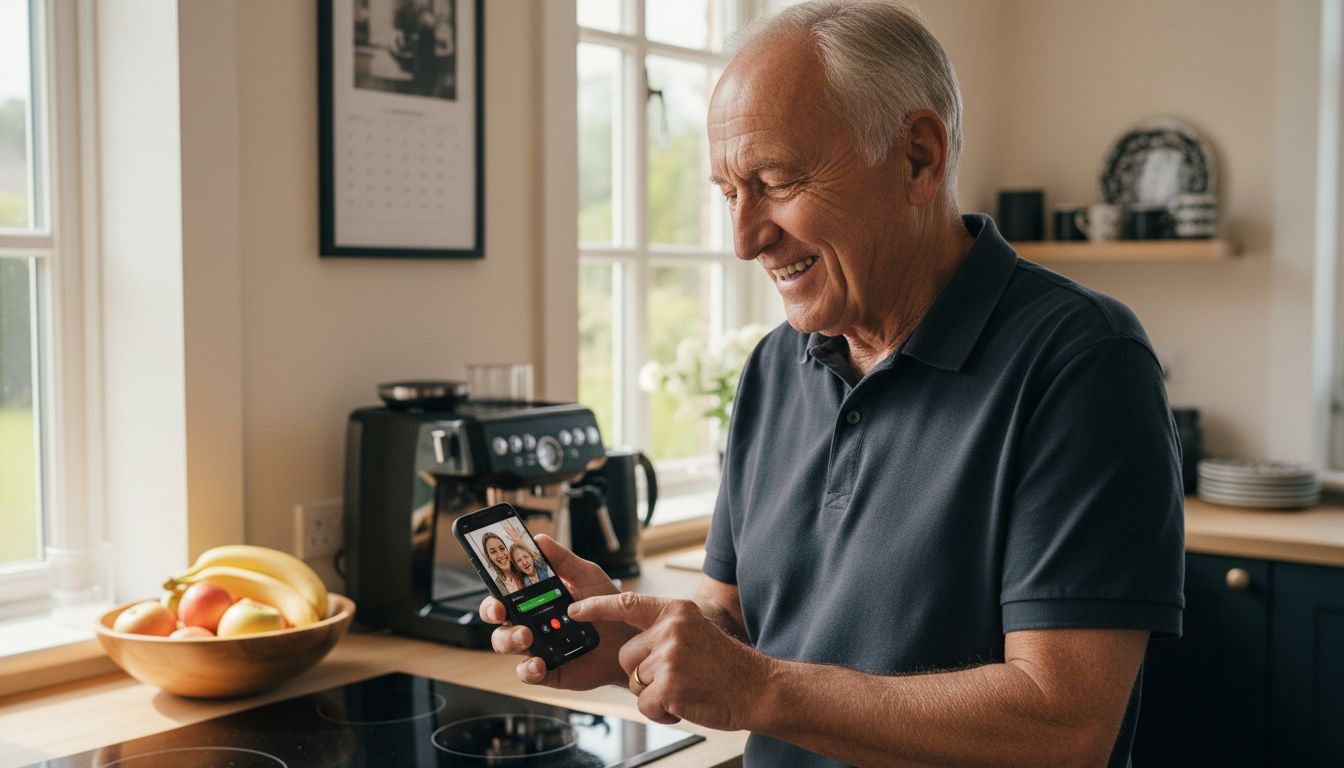
Comparing Clinic Versus Home Hearing Trials
The landscape of hearing aid testing is rapidly evolving, with home trials offering a compelling alternative to traditional clinical assessments. Health Research Authority studies suggest that personalised hearing assessments can be effectively conducted outside clinical environments, challenging long-standing medical paradigms.
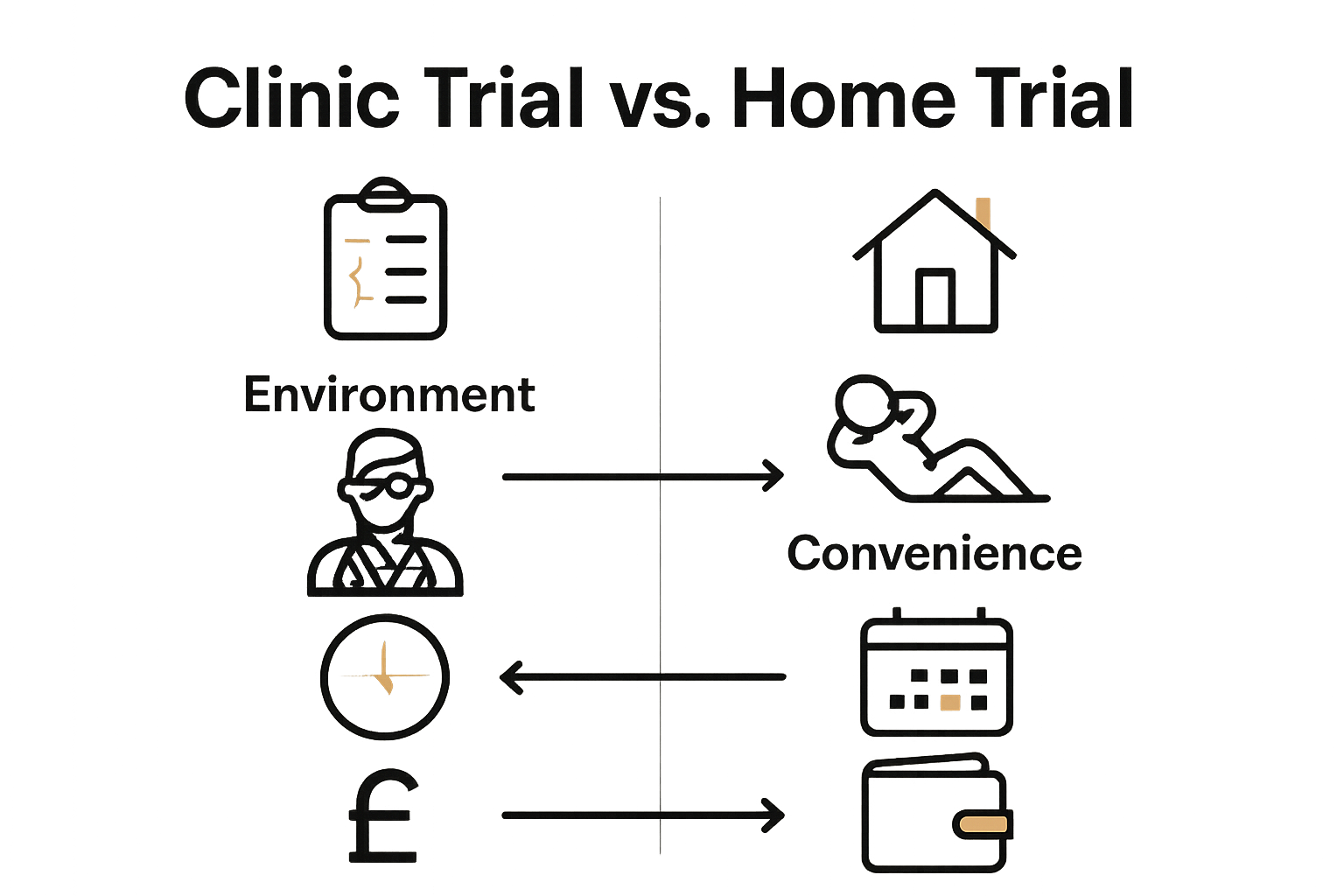
Key differences between clinic and home hearing trials include:
-
Assessment Environment
- Clinic: Controlled, potentially stressful setting
- Home: Comfortable, familiar personal space
-
Interaction Style
- Clinic: Formal, professional interaction
- Home: Relaxed, self-directed experience
-
Time Investment
- Clinic: Multiple appointments, longer wait times
- Home: Flexible scheduling, immediate start
-
Cost Implications
- Clinic: Higher expenses including consultation fees
- Home: Significantly more cost-effective
Research published in Age and Ageing highlights that personalised hearing support can have profound impacts on cognitive outcomes, suggesting that the testing method itself might influence overall hearing aid effectiveness.
Ultimately, home hearing trials represent a patient-centric approach that democratises hearing healthcare. By removing traditional barriers of cost, time, and professional intimidation, these trials empower individuals to take proactive steps towards improving their auditory experience with unprecedented flexibility and comfort.
How to Choose the Right Hearing Aid
Selecting the perfect hearing aid is a nuanced process that requires careful consideration of individual hearing needs, lifestyle, and personal preferences. According to NHS guidance, choosing the right hearing aid involves more than simply picking a device - it’s about finding a personalised solution that seamlessly integrates into your daily life.
Key factors to consider when selecting a hearing aid include:
-
Hearing Loss Type
- Mild, moderate, or severe hearing loss
- Specific frequency ranges affected
- Conductive or sensorineural hearing challenges
-
Lifestyle Considerations
- Professional environment requirements
- Social interaction frequency
- Physical activity levels
- Technology comfort
-
Device Features
- Battery type (rechargeable vs disposable)
- Bluetooth connectivity
- Noise reduction capabilities
- Smartphone app compatibility
-
Comfort and Discretion
- In-ear vs behind-ear designs
- Colour and visibility preferences
- Weight and physical comfort
RNID research emphasises that modern hearing aids are not one-size-fits-all solutions, but sophisticated personal technology tailored to individual hearing profiles. Understanding your unique requirements is crucial in finding a device that provides optimal sound enhancement and improves overall quality of life.
Ultimately, the right hearing aid should feel like an extension of yourself - invisible when you want it to be, yet powerful enough to reconnect you with the sounds that matter most. Take time to explore different options, ask questions, and prioritise devices that offer flexible trial periods and comprehensive support.
Common Mistakes When Trialling at Home
Home hearing aid trials offer remarkable flexibility, but they also present potential pitfalls that can compromise your testing experience. University of Manchester research underscores the critical importance of proper guidance during self-assessment, highlighting that without careful approach, users might inadvertently undermine their hearing aid trial effectiveness.
The most prevalent mistakes during home hearing aid trials include:
-
Incorrect Initial Fitting
- Failing to follow precise insertion instructions
- Not positioning device correctly in ear canal
- Neglecting individual ear anatomy differences
-
Unrealistic Expectations
- Expecting immediate perfect hearing
- Comparing performance across different environments too quickly
- Not allowing adequate adjustment period
-
Technical Setup Errors
- Skipping comprehensive device calibration
- Ignoring smartphone app configuration
- Not understanding volume and sound profile settings
-
Insufficient Testing Environments
- Testing only in quiet spaces
- Avoiding challenging acoustic scenarios
- Not simulating real-world sound interactions
According to the Health Research Authority, systematic and methodical testing protocols are fundamental to predicting genuine hearing aid benefits. Users must approach home trials with patience, meticulousness, and a willingness to learn and adapt.
Successful home hearing aid trials demand a blend of technical understanding, self-awareness, and realistic expectations. By recognising and avoiding these common mistakes, you can transform your trial into a comprehensive, personalised hearing enhancement journey that genuinely improves your auditory experience.
Discover Your Ideal Hearing Solution with Audora at Home
The journey through a home hearing aid trial can feel overwhelming if you are worried about making the right choice or managing complicated technology. This guide highlights the importance of comfort, realistic expectations and personalised fitting to avoid common mistakes when trialling aids yourself. At Audora, we understand these challenges and offer high-quality, AI-powered hearing aids designed to fit seamlessly into your life without the stress of lengthy clinic visits. Our discreet, rechargeable devices come with easy-to-use smartphone control so you can adjust settings in the real-world environments that matter most to you.

Take control of your hearing health today by exploring our range at GetAudora.co.uk. Experience the freedom of testing premium hearing aids on your terms with clear pricing and full support. There has never been a better moment to start your personalised hearing journey with total confidence and convenience.
Frequently Asked Questions
What is involved in a home hearing aid trial?
Home hearing aid trials typically involve receiving a pre-configured hearing aid package at home, comprehensive setup instructions, personalised fitting guidance, a trial period to assess device effectiveness, and optional remote support from hearing specialists.
What are the benefits of testing hearing aids at home?
Testing hearing aids at home offers several benefits, including privacy and comfort, cost-effectiveness, a personalised experience, time-saving convenience, and reduced anxiety during the assessment process.
How should I choose the right hearing aid for my needs?
Choosing the right hearing aid involves considering the type and severity of your hearing loss, your lifestyle preferences, the features you want (like Bluetooth connectivity or noise reduction), and the comfort and discretion of the device design.
What common mistakes should I avoid when trialling hearing aids at home?
Common mistakes to avoid during home trials include incorrect initial fitting, having unrealistic expectations, technical setup errors, and testing only in limited or quiet environments. It’s essential to follow the provided instructions carefully and test the device in various real-world scenarios.