

Most british adults with hearing loss never realise that precise hearing aid fitting is key to real, lasting improvement. Choosing the right device is only the beginning. The way your hearing aid is tailored can affect daily conversations, social confidence, and even long-term brain health. With up to 40 percent of users struggling to benefit fully from their hearing aids, understanding the fitting process empowers you to make choices that suit your unique needs and lifestyle.
Table of Contents
- What Is Hearing Aid Fitting? Core Principles
- Types Of Hearing Aid Fitting Approaches
- The Step-By-Step Fitting Process Explained
- Key Features And Personalisation Methods
- Common Pitfalls And How To Avoid Them
- Comparing Self-Fitting To Professional Options
Key Takeaways
| Point | Details |
|---|---|
| Comprehensive Fitting Process | Hearing aid fitting involves thorough assessments, device selection, and personalised calibration to match individual hearing profiles. |
| Importance of Real Ear Measurements | REM is crucial for ensuring optimal sound amplification tailored to each user’s specific hearing loss. |
| Emergence of Self-Fitting Options | Self-fitting approaches offer greater flexibility and convenience, although professional fittings provide expert assessment and precise adjustments. |
| User Education and Support | Ongoing education about device use and maintenance is essential for successful long-term hearing aid adoption. |
What Is Hearing Aid Fitting? Core Principles
Hearing aid fitting is a specialised process designed to match hearing devices precisely to an individual’s unique hearing profile and lifestyle needs. Unlike simply purchasing an off-the-shelf device, hearing aid fitting involves comprehensive assessment, personalised adjustment, and careful calibration to ensure optimal sound amplification and comfort.
At its core, hearing aid fitting encompasses several critical steps. According to research from HRA, real ear measurements (REM) play a fundamental role in this process. REM allows audiologists to measure exactly how sound is being amplified within an individual’s ear canal, ensuring the hearing aid provides precisely the right level of sound enhancement for their specific hearing loss.
The fitting process involves multiple key components:
- Comprehensive Hearing Assessment: Detailed audiological testing to map the precise nature and extent of hearing loss
- Device Selection: Choosing a hearing aid that matches the individual’s specific hearing requirements
- Personalised Calibration: Fine-tuning the device to match exact hearing thresholds
- Physical Comfort Adjustment: Ensuring the hearing aid fits comfortably and securely
Research from the Primary Health Care Research Centre highlights that successful hearing aid fitting goes beyond technical measurements. User education and ongoing support are crucial in promoting device adoption and long-term usage. This means the fitting process is not just about the technology, but also about helping individuals understand how to use and maintain their new hearing device effectively.
Ultimately, a proper hearing aid fitting transforms hearing devices from simple amplification tools into personalised communication solutions. By carefully matching technology to individual needs, individuals can experience significant improvements in their ability to engage with the world around them.
Types Of Hearing Aid Fitting Approaches
Hearing aid fitting is not a one-size-fits-all process, but rather a nuanced approach with several distinct methodologies designed to address individual hearing needs. According to Manchester University Research, different fitting approaches have emerged to provide personalised solutions for hearing loss.
The primary types of hearing aid fitting approaches include:
- Clinical Audiologist Fitting: Traditional method involving in-depth professional assessment and personalised device programming
- Real Ear Measurement (REM) Fitting: Precise technique measuring sound amplification directly within the ear canal
- Self-Fitting Approaches: Emerging digital methods allowing users more direct involvement in device configuration
- Comparative Fitting Methods: Techniques that evaluate hearing performance across different settings and configurations
Research from Hearing Review highlights the WFA4 method, an innovative approach focusing on critical parameters like audibility, comfort, and binaural balance. This method represents a significant advancement in adaptable hearing aid fitting, particularly for diverse cultural and linguistic contexts.
Modern hearing aid fitting approaches increasingly leverage digital technology to provide more flexible, personalised solutions. These methods go beyond traditional audiological assessments, incorporating user feedback, lifestyle considerations, and advanced calibration techniques to ensure optimal hearing enhancement. By embracing multiple fitting strategies, individuals can find a solution that precisely matches their unique hearing requirements.
The Step-By-Step Fitting Process Explained
The hearing aid fitting process is a comprehensive journey designed to ensure individuals receive precisely tailored hearing support. According to Centre for Environmental Health and Hearing Research, this process involves multiple critical stages that go far beyond simply selecting a device.
The typical hearing aid fitting process follows these essential steps:
- Initial Hearing Assessment
- Comprehensive audiological examination
- Detailed discussion of hearing challenges and lifestyle needs
- Comprehensive hearing threshold testing
- Device Selection
- Matching hearing aid technology to specific hearing loss profile
- Considering individual preferences and budget constraints
- Evaluating different hearing aid styles and technologies
- Precise Device Configuration
- Conducting real ear measurements to ensure accurate sound amplification
- Fine-tuning device settings for optimal hearing enhancement
- Calibrating frequencies specific to individual hearing loss
Research from the Health Research Authority highlights the critical importance of real ear measurements during the fitting process. These measurements allow audiologists to programme the hearing aid precisely, ensuring that sound is amplified exactly as needed for each individual’s unique hearing profile.
The final stages of the fitting process involve comprehensive user education and follow-up support. This includes teaching individuals how to insert and remove their hearing aids, manage battery or charging requirements, and understand the device’s various features. Ongoing adjustments and support are crucial, as hearing needs can change over time, requiring periodic recalibration and reassessment to maintain optimal hearing performance.
Key Features And Personalisation Methods
Personalisation in hearing aid technology has evolved dramatically, transforming these devices from simple sound amplifiers to intelligent, adaptive communication tools. According to groundbreaking research from arXiv, emerging technologies like the Context-Adaptive Fitting Advisor (CAFA) are revolutionising how hearing aids are customised, using advanced multi-agent Large Language Model workflows to provide real-time, personalised adjustments.
Key personalisation features that define modern hearing aid technology include:
-
Adaptive Sound Processing
- Automatic background noise reduction
- Dynamic frequency compression
- Intelligent sound environment recognition
-
Connectivity Features
- Bluetooth smartphone integration
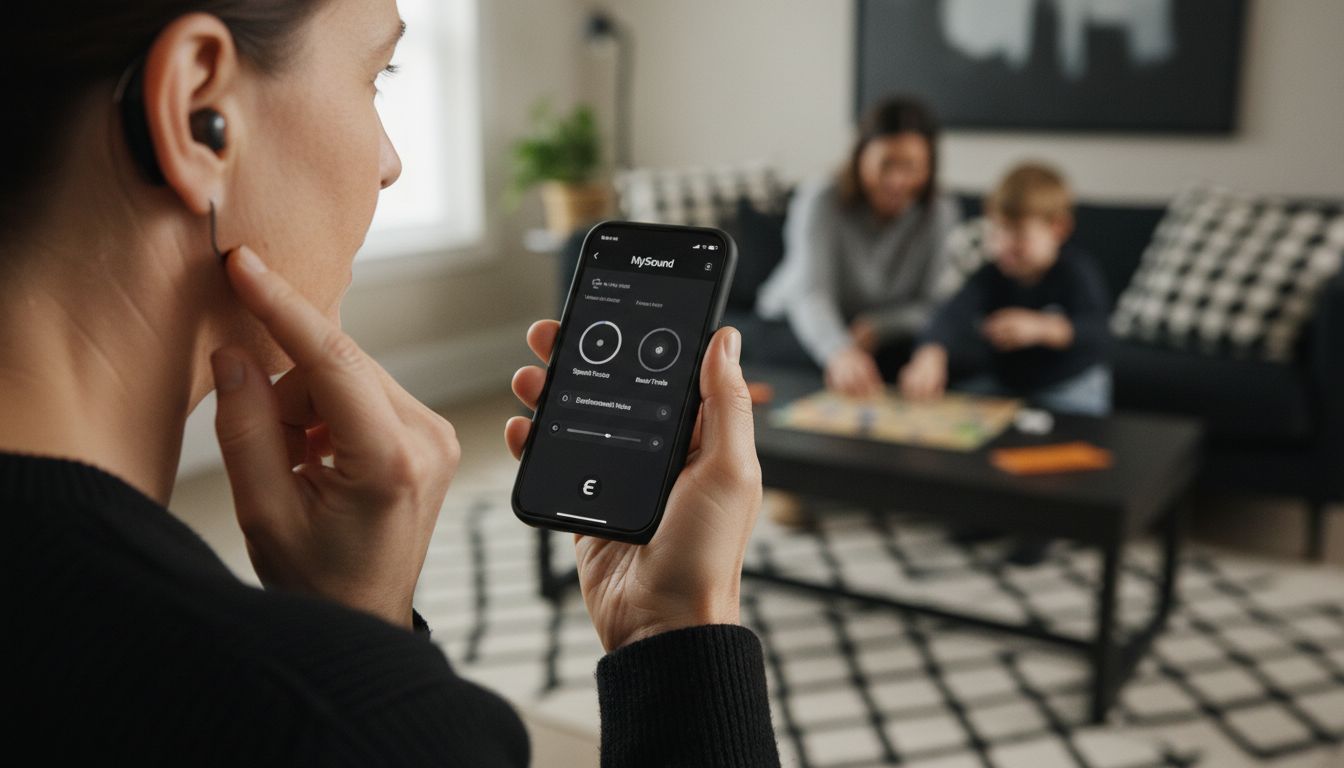
- Mobile app sound profile management
- Direct streaming from devices
-
Customisation Parameters
- Individual hearing loss profile mapping
- Personal sound preference settings
- Tailored frequency response
Research from arXiv highlights a cutting-edge data-driven machine learning approach that enables context-specific sound optimisation. This technique allows hearing aids to dynamically adjust settings in different noisy environments, ensuring optimal speech comprehension across varied acoustic landscapes.
The future of hearing aid personalisation lies in increasingly sophisticated, intelligent systems that learn and adapt to individual user needs. By combining advanced sensor technologies, machine learning algorithms, and user-centric design, modern hearing aids are becoming more than just medical devices—they’re becoming intelligent, personalised communication companions that seamlessly integrate into users’ lives.
Common Pitfalls And How To Avoid Them
Hearing aid fitting can be complex, with numerous potential challenges that may compromise the effectiveness of your device. Research from the Primary Health Care Research Centre reveals a startling statistic: up to 40% of individuals fitted with hearing aids either fail to use them consistently or do not gain optimal benefit from their devices.
The most common pitfalls in hearing aid fitting include:
-
Improper Physical Fitting
- Uncomfortable device positioning
- Incorrect ear canal placement
- Inadequate initial adjustment
-
Technical Configuration Issues
- Incorrect sound amplification levels
- Inappropriate frequency settings
- Poor noise reduction calibration
-
User Adaptation Challenges
- Unrealistic expectations
- Insufficient user training
- Psychological resistance to device use
According to Centre for Environmental Health and Hearing Research, many hearing aids go unworn due to maintenance neglect and lack of proper care. Key strategies to avoid these pitfalls include regular professional check-ups, consistent cleaning, and ongoing device calibration.
Successful hearing aid use requires a proactive approach. This means working closely with your audiologist, maintaining realistic expectations, and committing to a learning process. Patience is crucial – adapting to a hearing aid takes time, and many initial challenges can be overcome with proper support, education, and a willingness to make incremental adjustments to your device and listening techniques.
Comparing Self-Fitting To Professional Options
The landscape of hearing aid fitting has dramatically transformed, presenting individuals with increasingly flexible options for obtaining personalised hearing solutions. According to Manchester University Research, emerging self-fitting models are challenging traditional professional approaches, offering unprecedented flexibility and accessibility for users.
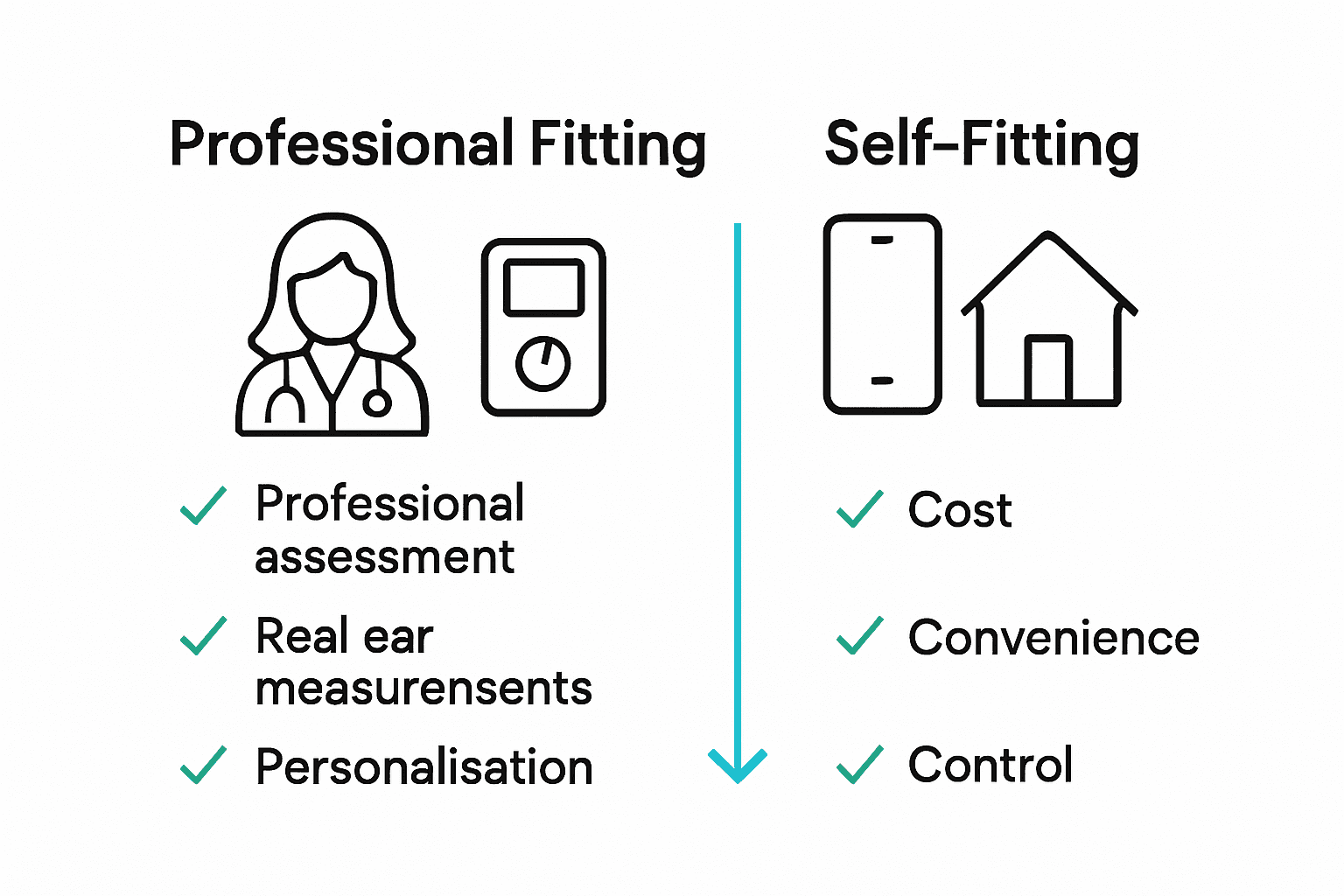
Key differences between self-fitting and professional fitting approaches include:
Professional Fitting Advantages:
- Comprehensive audiological assessment
- Precise real-ear measurements
- Expert personalisation and calibration
- Immediate professional troubleshooting
Self-Fitting Advantages:
- Lower overall cost
- Greater convenience
- Faster initial setup
- Increased personal control
- Flexible adjustment options
Research from the Health Research Authority highlights the critical role of real ear measurements in determining the effectiveness of hearing aid configurations. While professional fittings traditionally excel in these precise measurements, technological advancements are increasingly enabling sophisticated self-fitting approaches.
The future of hearing aid fitting lies in a hybrid model that combines professional expertise with user-driven personalisation. By leveraging advanced digital technologies, individuals can now access more responsive, adaptable hearing solutions that bridge the gap between clinical precision and personal convenience. The key is finding a balanced approach that maximises technological capabilities while ensuring individual hearing needs are comprehensively addressed.
Discover Personalised Hearing Solutions Without the Wait
Understanding the complexity of hearing aid fitting, from real ear measurements to adaptive sound processing, highlights the challenge many face when seeking the perfect hearing device. Many struggle with uncomfortable fits, inaccurate settings, or long waiting times for professional appointments. At Audora, we put you in control by offering cutting-edge, AI-powered hearing aids that are customisable to your unique hearing profile. Our devices are designed to deliver optimal comfort, precise amplification and seamless smartphone control — all without the usual clinic delays.
Explore our carefully selected range of advanced digital hearing instruments at the Home page – Audora. Benefit now from transparent pricing, rechargeable batteries and invisible in-ear designs. There has never been a better time to take charge of your hearing health. Visit https://getaudora.co.uk today and experience professional-quality fitting solutions delivered straight to your doorstep with support and warranty included.
Frequently Asked Questions
What is the hearing aid fitting process?
The hearing aid fitting process involves several stages, including an initial hearing assessment, device selection, precise configuration using real ear measurements, and comprehensive user education for optimal use and maintenance.
How can I ensure my hearing aid fits properly?
To ensure a proper fit, communicate closely with your audiologist to address any discomfort and have the device physically adjusted. Real ear measurements are crucial for ensuring sound amplification is tailored to your specific hearing needs.
What are the different methods of hearing aid fitting?
There are several hearing aid fitting methods, including clinical audiologist fitting, real ear measurement (REM) fitting, self-fitting approaches, and comparative fitting methods, which evaluate performance in varying conditions.
How can I avoid common pitfalls with hearing aid fitting?
To avoid common pitfalls, maintain regular check-ups with your audiologist, ensure proper maintenance and cleaning of the device, and set realistic expectations regarding adaptation and usage.
Recommended
- 7 Simple Ways to Spot Quality Hearing Aids Fast – Audora
- Rechargeable Hearing Aids Tutorial: Easy Setup and Use Guide – Audora
- Hearing Aid Cost: Everything You Need to Know – Audora
- Why Use Hearing Aids: Complete Guide to Benefits – Audora
- Help Them Hear Every Lesson This Term👂🎒
- How Much Does Ear Wax Removal Cost in the UK?