

Over one million British adults have untreated hearing loss, yet many hesitate to seek help due to cost and inconvenience. With traditional hearing aids requiring repeated clinic visits and professional adjustments, the process can feel out of reach for many. Self-fitting hearing aids offer a smarter alternative, giving British users control, comfort, and significant savings compared to conventional options.
Table of Contents
- Self‑Fitting Hearing Aids Defined
- Variations And Self‑Fit Technologies
- How Self‑Fitting Aids Function
- UK Regulatory And Safety Standards
- Cost, Savings And Practical Impacts
Key Takeaways
| Point | Details |
|---|---|
| Self-Fitting Hearing Aids | Empower individuals to personalise their hearing experience at home, using AI and app technology for easy adjustments. |
| Technological Variations | Include smartphone-integrated, standalone systems, and hybrid models that enhance user control and accessibility. |
| Regulatory Standards | UK regulations ensure safety and efficacy, requiring comprehensive compliance for self-fitting hearing aids. |
| Financial Advantages | Offer significant savings over traditional options, with costs reduced by up to 70%, while providing convenient and effective hearing solutions. |
Self‑Fitting Hearing Aids Defined
Self-fitting hearing aids represent a revolutionary approach to hearing healthcare, empowering individuals to personalise and manage their hearing experience independently. Unlike traditional hearing devices that require multiple clinical appointments, these innovative instruments leverage advanced digital technology and artificial intelligence to enable users to calibrate and adjust their hearing aids from the comfort of their own homes.
At their core, self-fitting hearing aids are intelligent digital devices designed to provide a personalised hearing solution without extensive professional intervention. Users can conduct their own hearing assessments using smartphone applications or integrated software, which then generates a custom sound profile tailored to their specific hearing requirements. Understanding how hearing aids can be fitted at home becomes crucial in appreciating this transformative technology.
Key characteristics of self-fitting hearing aids include:
- Smartphone app connectivity for easy adjustments
- AI-driven sound calibration algorithms
- Real-time audio processing
- Rechargeable battery options
- Discreet, compact design
- Significantly lower cost compared to traditional hearing aid routes
The technology works by utilising advanced sound processing algorithms that analyse an individual’s unique hearing profile. Through interactive hearing tests and ongoing feedback mechanisms, these devices can automatically adapt to different acoustic environments, providing a dynamic and responsive hearing experience. This approach not only reduces barriers to accessing hearing support but also empowers users to take control of their hearing health with unprecedented flexibility and convenience.
Variations And Self‑Fit Technologies
Digital self-fitting hearing aids have rapidly evolved, presenting multiple technological approaches that cater to diverse user needs and hearing challenges. These innovative solutions range from smartphone-integrated devices to standalone systems with advanced calibration capabilities, offering unprecedented personalisation for individuals experiencing hearing loss.
The primary variations in self-fitting technologies can be categorised into three distinct models. Complete hearing aid trial processes at home reveal the complexity and versatility of these emerging technologies:
- Smartphone-Integrated Devices
- Direct smartphone app connectivity
- Real-time audio adjustment
- Personalised hearing profiles
- Automatic environmental sound adaptation
- Standalone Calibration Systems
- Independent hearing assessment tools
- Built-in diagnostic software
- Manual and automatic tuning options
- Comprehensive sound profile generation
- Hybrid Self-Fitting Models
- Combination of professional guidance and independent adjustment
- Remote audiologist support
- Incremental hearing profile refinement
- Cloud-based data synchronisation
These technological variations represent a significant departure from traditional hearing aid fitting methods. By incorporating artificial intelligence and user-friendly interfaces, self-fitting technologies democratise hearing healthcare, making sophisticated sound enhancement more accessible, affordable, and personalised than ever before. The ongoing development of these systems promises continued innovation, with future iterations likely to provide even more precise, intuitive, and user-controlled hearing solutions.
How Self‑Fitting Aids Function
Digital self-fitting hearing aids operate through a sophisticated combination of advanced sensor technologies, artificial intelligence, and user-driven customisation. These intelligent devices transform the traditional hearing aid experience by empowering users to conduct precise hearing assessments and create personalised sound profiles directly from their homes.
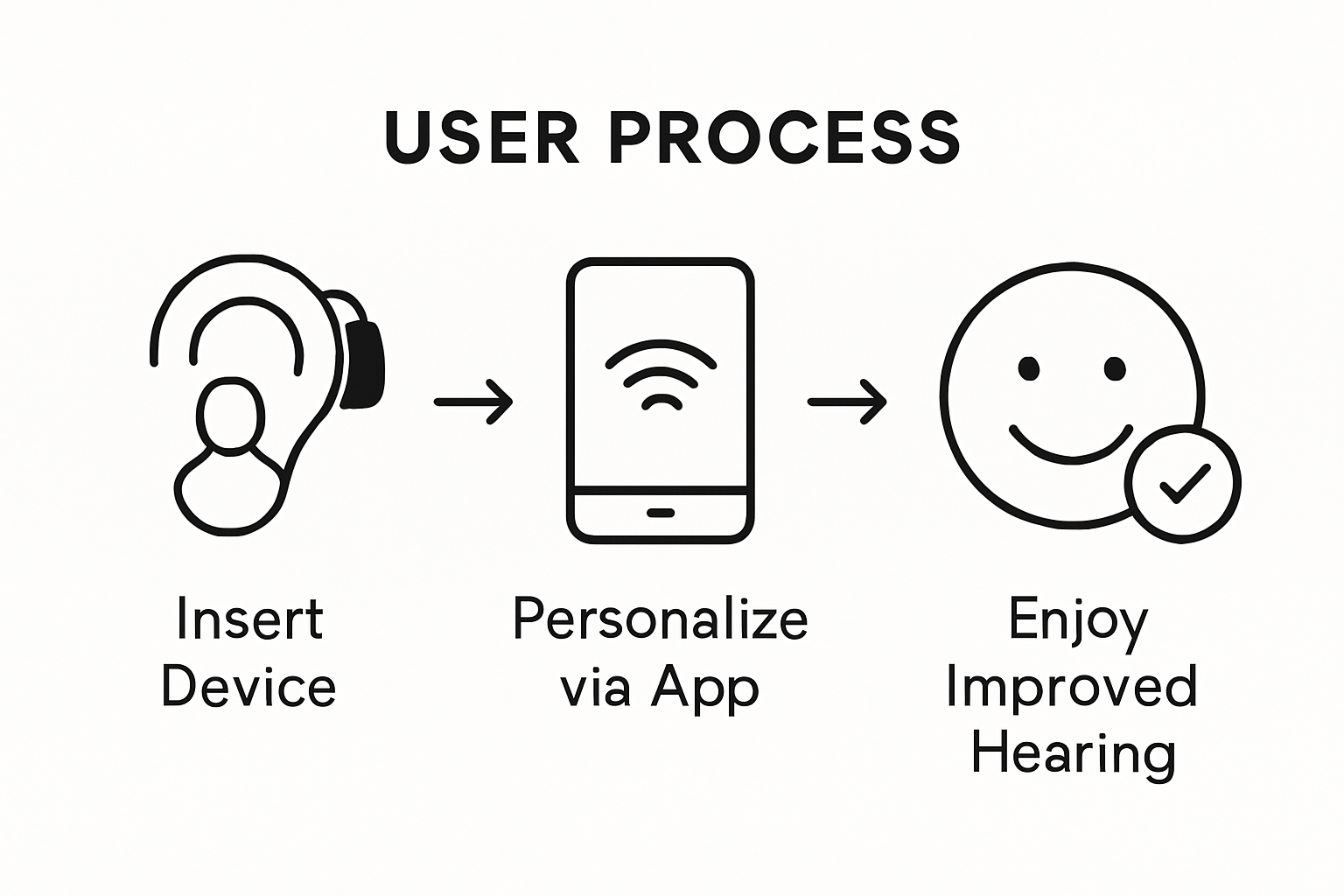
The core functionality revolves around a multi-step process that begins with comprehensive hearing diagnostics. Understanding why hearing aids require regular adjustment reveals the intricate mechanisms behind these innovative devices. Users typically follow a systematic approach:
- Initial Hearing Assessment
- Complete digital hearing test using smartphone app
- Automated sound frequency analysis
- Identification of specific hearing loss characteristics
- Generation of initial hearing profile
- Sound Profile Customisation
- AI-powered algorithm interpretation of test results
- Personalised sound frequency compensation
- Real-time audio signal processing
- Adaptive noise reduction techniques
- Continuous Calibration
- Ongoing performance monitoring
- User feedback integration
- Automatic sound environment adaptation
- Incremental hearing profile refinement
The technological brilliance of self-fitting hearing aids lies in their ability to transform complex audiological data into intuitive, user-friendly sound enhancement. By leveraging machine learning algorithms and smartphone connectivity, these devices provide an unprecedented level of personalisation, making sophisticated hearing technology accessible and responsive to individual user needs.

UK Regulatory And Safety Standards
Medical device regulations in the United Kingdom establish rigorous frameworks to ensure the safety, efficacy, and reliability of self-fitting hearing aids. These comprehensive standards protect consumers while promoting technological innovation in assistive hearing technologies.
Recent government guidance has approved groundbreaking hearing aid technologies, signalling a progressive approach to medical device regulation. The UK’s regulatory landscape encompasses several critical compliance requirements:
Key Regulatory Components:
- Medical Devices Regulations 2002
- Health Professions Order 2001
- Comprehensive safety assessment protocols
- Mandatory quality control standards
- Independent technical verification
- Continuous performance monitoring
The regulatory framework mandates that self-fitting hearing aids must demonstrate:
- Precise sound reproduction capabilities
- Minimal potential for user hearing damage
- Consistent performance across diverse acoustic environments
- Clear user interface and calibration mechanisms
- Comprehensive user safety instructions
Moreover, manufacturers must provide transparent documentation detailing technical specifications, clinical testing results, and potential contraindications. This stringent approach ensures that self-fitting hearing aids meet the highest standards of medical technology, protecting consumer interests while fostering innovation in assistive hearing solutions.
Cost, Savings And Practical Impacts
Self-fitting hearing aids represent a transformative approach to hearing healthcare, offering substantial financial and practical advantages for individuals experiencing hearing loss. By eliminating traditional intermediary costs, these innovative devices provide an accessible alternative to expensive clinical hearing solutions.
Research demonstrates that self-fitting hearing aids offer cost-effective solutions for adults with mild-to-moderate hearing loss, fundamentally reshaping the economic landscape of hearing assistance. The potential savings are significant across multiple dimensions:
Financial Benefits:
- Elimination of multiple audiologist appointments
- Reduced professional fitting charges
- Lower device manufacturing costs
- Minimal ongoing maintenance expenses
- Direct-to-consumer pricing models
Practical Savings Breakdown:
- Traditional hearing aid costs: £3,000 - £5,000
- Self-fitting hearing aid costs: £500 - £1,500
- Potential savings: Up to 70% reduction in total expenses
Beyond monetary considerations, self-fitting hearing aids deliver practical advantages including convenience, immediate accessibility, and personalised configuration. Users gain unprecedented control over their hearing experience, enabling real-time adjustments and eliminating bureaucratic barriers associated with traditional hearing healthcare pathways. This user-centric approach not only reduces financial strain but also empowers individuals to take proactive steps in managing their auditory health with greater autonomy and confidence.
Experience Affordable, AI-Driven Hearing Freedom Today
Managing hearing loss independently can be challenging and costly, especially when traditional hearing aids require multiple professional appointments and high prices. This article highlights how self-fitting hearing aids use advanced AI technology to empower you to control your hearing experience conveniently from home, saving time and money while ensuring personalised sound calibration. If you seek an accessible, discreet, and reliable solution, embracing these innovative devices can transform your daily life.
Discover a smarter way to enhance your hearing with Audora’s collection of cutting-edge hearing aids that combine UKCA certification, rechargeable batteries, and smartphone app control all at a fraction of the usual cost.
Take control now by exploring GetAudora.co.uk to find your perfect self-fitting hearing aid. With transparent pricing, comprehensive support, and limited-time offers during National Hearing Week, there is no better moment to invest in your hearing health and regain confidence in every conversation.
Frequently Asked Questions
What are self-fitting hearing aids?
Self-fitting hearing aids are digital devices that allow users to calibrate their hearing aids independently, utilising advanced technology and artificial intelligence to create personalised sound profiles from home.
How do self-fitting hearing aids work?
These devices perform a multi-step process including an initial hearing assessment via a smartphone app, customisation of sound profiles through AI algorithms, and continuous calibration based on user feedback and environmental changes.
What are the advantages of self-fitting hearing aids compared to traditional options?
Self-fitting hearing aids are generally more affordable, require fewer visits to an audiologist, and provide immediate access to personalised adjustments, giving users greater control over their hearing experience.
Are self-fitting hearing aids regulated for safety and effectiveness?
Yes, in the UK, self-fitting hearing aids must comply with strict medical device regulations that ensure their safety, efficacy, and quality, including mandatory performance monitoring and user safety instructions.