

More than 11 million british people face hearing loss, yet many remain unaware of how modern hearing aids can change lives. Everyday sounds like laughter or birdsong often fade without notice, affecting relationships and emotional wellbeing. Understanding the science behind hearing aids reveals just how much technology can restore connection and confidence. This guide sheds light on the features, types, and benefits that help individuals across Britain experience life’s sounds with greater clarity.
Table of Contents
- What Hearing Aids Are And How They Work
- Different Types Of Modern Hearing Aids
- Essential Features Of Digital Hearing Aids
- Comparing Costs: Clinics Versus Direct Purchase
- Benefits Of Hearing Aids For Daily Life
Key Takeaways
| Point | Details |
|---|---|
| Hearing Aids Functionality | Hearing aids operate through microphones, amplifiers, and speakers to enhance sound for individuals with hearing loss. They adapt automatically to different sound environments for improved user experience. |
| Variety of Styles | Modern hearing aids come in various styles, including Behind-the-Ear (BTE) and Completely-in-Canal (CIC), catering to different levels of hearing loss and personal preferences. |
| Cost Considerations | Costs of hearing aids can vary significantly between clinic purchases and direct purchases, impacting the decision based on individual needs and budget. |
| Daily Life Benefits | Hearing aids enhance communication, increase social confidence, and improve emotional wellbeing, significantly transforming the daily experiences of users. |
What Hearing Aids Are And How They Work
Hearing aids are sophisticated electronic devices designed to help individuals with hearing loss reconnect with the sounds around them. According to Hopkins Medicine, these devices work through a remarkable three-part system that transforms sound into a personalised auditory experience.
At their core, hearing aids operate through a precise technological process. Sound amplification happens via three critical components:
- Microphone: Captures surrounding sounds and converts them into digital signals
- Amplifier: Increases the strength of these electronic signals
- Speaker: Delivers the enhanced sound directly into the ear canal
Digital hearing technology has revolutionised how these devices function. Modern hearing aids can automatically adjust settings based on environmental noise levels, providing a dynamic listening experience. Cleveland Clinic notes that while hearing aids cannot completely restore natural hearing, they significantly improve an individual’s ability to interact and communicate.
For individuals experiencing hearing loss, these devices represent more than just technology. They are personal sound restoration tools that help reconnect people with conversations, music, and the rich auditory world around them.
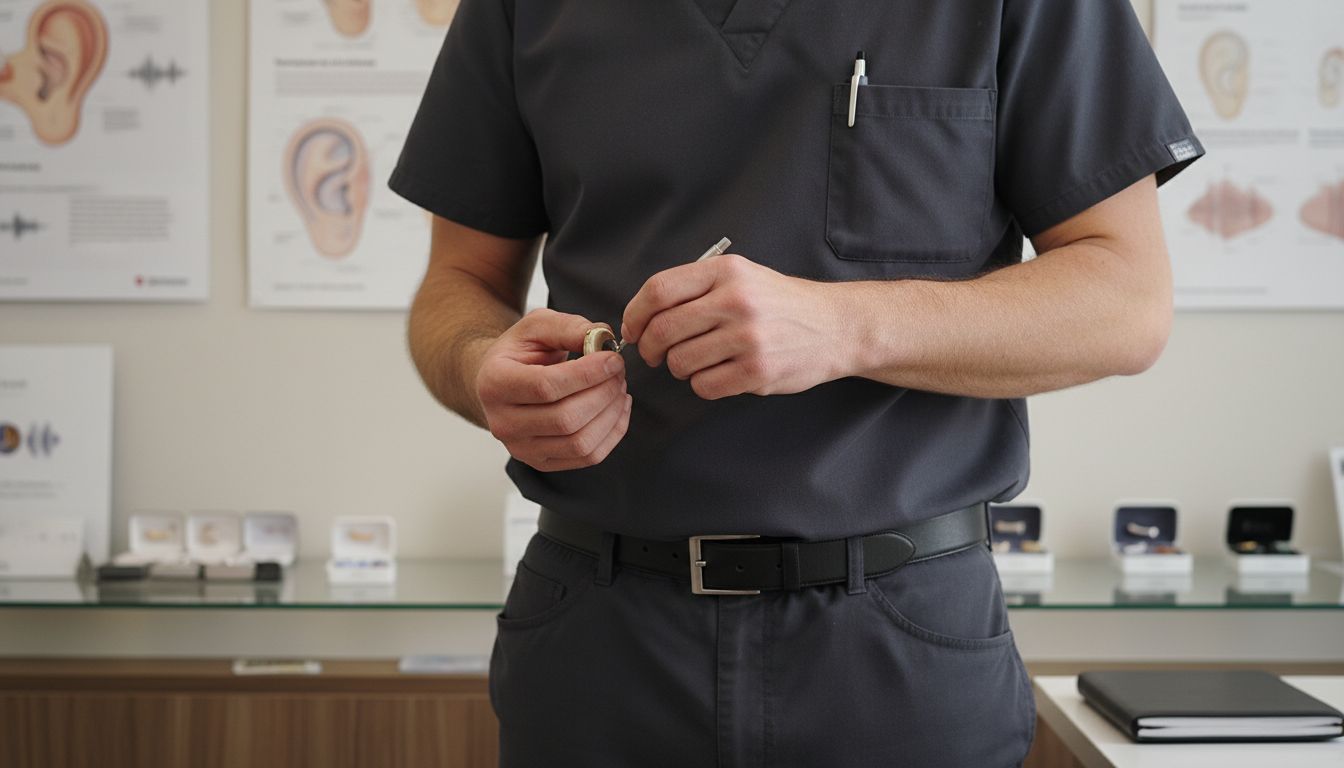 By intelligently processing and amplifying sounds, hearing aids transform communication challenges into opportunities for clearer, more engaging interactions.
Different Types Of Modern Hearing Aids
Modern hearing aids have evolved into sophisticated devices with multiple styles designed to meet diverse hearing needs. Hopkins Medicine highlights that contemporary hearing aids come in several distinctive designs, each engineered to address specific hearing challenges and user preferences.
Hearing Aid Styles Include:
- Behind-the-Ear (BTE): Large, powerful devices sitting behind the ear, suitable for extensive hearing loss
- In-the-Ear (ITE): Custom-fitted devices that sit completely inside the outer ear
- In-the-Canal (ITC): Smaller devices that partially fit inside the ear canal
- Completely-in-Canal (CIC): Tiny devices that sit deep inside the ear canal, almost invisible
Cleveland Clinic emphasises that selecting the right hearing aid depends on multiple factors including degree of hearing loss, personal comfort, manual dexterity, and lifestyle requirements. Modern hearing aids now offer advanced features like Bluetooth connectivity and rechargeable batteries, transforming them from simple amplification devices into intelligent communication tools.
The technology behind these devices continues to advance rapidly. With features like directional microphones, noise reduction algorithms, and personalised listening programs, today’s hearing aids do far more than simply amplify sound. They intelligently process audio environments, helping users navigate complex acoustic landscapes with unprecedented clarity and confidence.
Essential Features Of Digital Hearing Aids
Digital hearing aids represent a quantum leap in hearing enhancement technology, offering sophisticated features that go far beyond simple sound amplification. Hopkins Medicine reveals that modern digital hearing aids are incredibly intelligent devices capable of adapting to complex listening environments.
Key Advanced Features Include:
- Multiple Listening Programs: Automatically adjust settings for different sound environments
- Directional Microphone Technology: Focus on specific sound sources while reducing background noise
- Noise Reduction Algorithms: Intelligently filter out unwanted ambient sounds
- Feedback Suppression: Eliminate annoying whistling or buzzing sounds
Hopkins Medicine notes that digital hearing aids can be precisely programmed to an individual’s unique hearing loss pattern, offering unprecedented customization. This means users can now experience sound tailored specifically to their hearing needs, with options for manual and automatic volume adjustments.
The technological sophistication of digital hearing aids transforms them from simple amplification devices into intelligent communication companions. With features like Bluetooth connectivity, smartphone app integration, and rechargeable batteries, these devices are not just about hearing better—they’re about experiencing sound more naturally and seamlessly than ever before. Each generation of digital hearing aids brings users closer to a world where hearing loss no longer means communication compromise.
Comparing Costs: Clinics Versus Direct Purchase
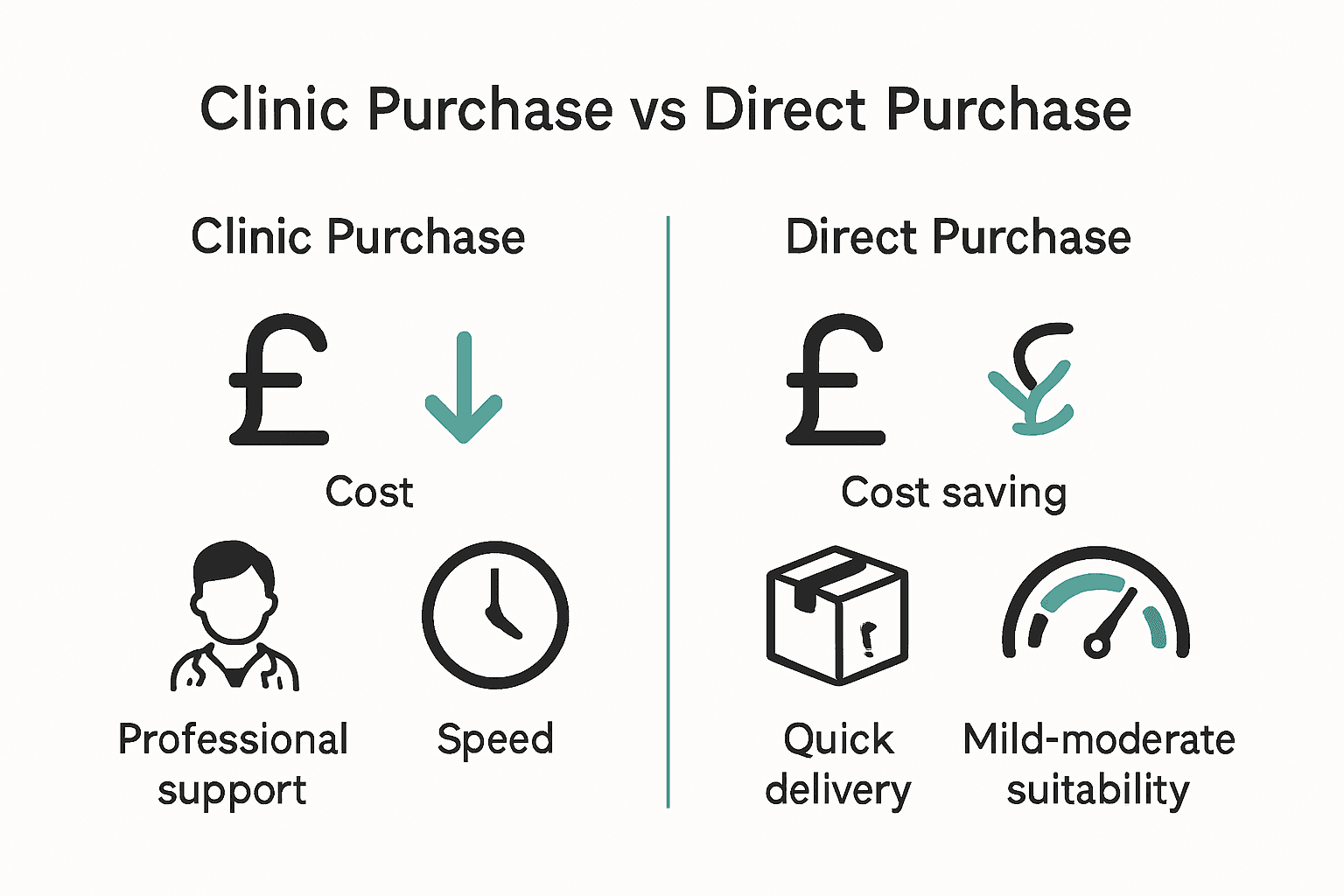
Navigating the landscape of hearing aid purchasing involves understanding the significant cost differences between traditional clinic routes and direct purchase options. Mayo Clinic highlights that hearing aid prices can range dramatically, from approximately £1,000 to several thousand pounds, depending on the procurement method and device sophistication.
Cost Comparison Breakdown:
-
Clinic Purchase:
- Professional fitting and consultation
- Custom hearing evaluations
- Higher upfront costs (£2,000 - £4,000)
- Personalised professional support
-
Direct Purchase:
- Lower initial investment (£500 - £1,500)
- No additional consultation fees
- Faster acquisition process
- Suitable for mild to moderate hearing loss
Cleveland Clinic emphasises that over-the-counter hearing aids are particularly suitable for adults experiencing mild hearing difficulties. These devices offer a cost-effective alternative to traditional clinic-purchased hearing aids, eliminating expensive professional assessment fees while still providing quality sound enhancement.
Ultimately, the choice between clinic and direct purchase depends on individual hearing needs, budget constraints, and the complexity of one’s hearing loss. While direct purchases offer significant cost savings, individuals with more complex hearing requirements might still benefit from professional audiological assessment and customised fitting.
Benefits Of Hearing Aids For Daily Life
Hopkins Medicine reveals that hearing aids are transformative devices that dramatically improve an individual’s ability to engage with the world around them. These sophisticated tools do far more than simply amplify sound—they restore connection, confidence, and quality of life for those experiencing hearing challenges.
Key Daily Life Benefits Include:
- Enhanced Communication: Clearer conversations with family and friends
- Professional Performance: Improved workplace interactions and meeting participation
- Social Confidence: Reduced anxiety in group settings
- Emotional Wellbeing: Decreased feelings of isolation and frustration
- Safety: Better awareness of environmental sounds and potential hazards
Cleveland Clinic emphasises that hearing aids enable individuals to interact more easily with others, transforming seemingly mundane interactions into meaningful experiences. Sound restoration goes beyond physical hearing—it reconnects people with the rich tapestry of human communication.
Modern hearing aids have evolved from simple amplification devices to intelligent communication companions. They adapt to different environments, reduce background noise, and provide users with a seamless auditory experience. By bridging communication gaps, these devices help individuals maintain social connections, preserve mental acuity, and continue participating fully in life’s most precious moments.
Discover the Life-Changing Benefits of Hearing Aids with Audora
Hearing loss can often lead to frustration, isolation, and missed moments with loved ones. This guide highlights how hearing aids restore clear communication and improve quality of life by enhancing sound clarity, reducing background noise, and boosting confidence in social and professional settings. If you are looking for discreet, AI-powered hearing solutions without the long waits or high costs usually associated with clinics, Audora provides exactly that.

Explore our range of UKCA-certified digital hearing aids available at Home page – Audora. Enjoy premium features like rechargeable batteries, smartphone compatibility, and near-invisible designs while saving significantly compared to traditional options. Take control of your hearing and reconnect seamlessly today by visiting Audora. Don’t wait any longer to bring sound clarity back into your daily life.
Frequently Asked Questions
What are the main benefits of using hearing aids?
Hearing aids enhance communication, improve professional performance, boost social confidence, promote emotional wellbeing, and increase safety by providing better awareness of environmental sounds.
How do hearing aids work to improve hearing?
Hearing aids work by capturing sounds through a microphone, amplifying them with a built-in amplifier, and delivering the enhanced sound into the ear canal, allowing users to experience sound more clearly.
What types of hearing aids are available and how do I choose the right one?
Types of hearing aids include Behind-the-Ear (BTE), In-the-Ear (ITE), In-the-Canal (ITC), and Completely-in-Canal (CIC). Choosing the right one depends on factors such as the degree of hearing loss, personal comfort, and lifestyle requirements.
Are digital hearing aids worth the investment compared to traditional models?
Digital hearing aids offer advanced features such as multiple listening programs, noise reduction algorithms, and Bluetooth connectivity, making them more adaptable and user-friendly compared to traditional models. The investment is typically justified by the improved hearing experience and customisation options.