

Over 95 percent of new hearing aid models now feature rechargeable batteries, transforming how people manage daily hearing care. The shift from disposable batteries to advanced rechargeable options means less hassle, lower long-term costs, and a cleaner impact on the environment. Whether you want fuss-free maintenance or a device that matches a busy lifestyle, modern rechargeable hearing aids deliver practical benefits that make life noticeably simpler and more sustainable.
Table of Contents
- Understanding Rechargeable Hearing Aids Technology
- Comparing Rechargeable and Disposable Batteries
- Key Benefits For Everyday Users In The UK
- Cost Savings And Environmental Impact
- How To Select The Right Model For You
Key Takeaways
| Point | Details |
|---|---|
| Rechargeable Technology | Modern rechargeable hearing aids utilize lithium-ion batteries, offering up to 24 hours of use after a 3-4 hour charge, simplifying daily management. |
| Cost & Environmental Impact | While initial investments are higher, users save on long-term battery costs and reduce electronic waste significantly. |
| User Convenience | These devices enhance user experience with features like Bluetooth connectivity and smart charging, simplifying use for individuals with dexterity issues. |
| Personalized Selection | Choosing the right hearing aid involves evaluating personal hearing profiles, lifestyle needs, and technology comfort to enhance daily living. |
Understanding Rechargeable Hearing Aids Technology
Rechargeable hearing aids represent a technological leap forward in personal audio enhancement, offering users unprecedented convenience and performance. Unlike traditional battery-powered devices that require frequent replacements, these modern hearing solutions leverage advanced lithium-ion battery technology to provide extended, reliable usage. Rechargeable batteries have transformed how individuals with hearing loss experience sound amplification, making daily management simpler and more efficient.
The core technology behind rechargeable hearing aids involves sophisticated battery systems that can maintain power for an entire day on a single charge. Most contemporary models offer between 16-24 hours of continuous usage after just 3-4 hours of charging, which means users can simply place their devices in a charging dock overnight and wake up to fully powered hearing aids. This eliminates the inconvenience of carrying spare batteries and reduces ongoing replacement costs. For a comprehensive understanding of these battery technologies, check out our guide to rechargeable batteries in hearing aids.
Key technological features of modern rechargeable hearing aids include:
- Lithium-ion battery technology
- Quick charging capabilities (typically 3-4 hours)
- Long-lasting performance (16-24 hours per charge)
- Built-in smart charging indicators
- Sealed design preventing moisture and dust intrusion
- Compatibility with wireless charging platforms
Beyond battery performance, rechargeable hearing aids incorporate additional smart technologies that enhance user experience. These include Bluetooth connectivity, smartphone app integration, adaptive noise reduction, and automatic sound environment adjustment. The integration of artificial intelligence allows these devices to learn and adapt to individual hearing preferences, providing a personalised audio experience that traditional hearing aids could never achieve. Modern rechargeable hearing aids are not just amplification devices but sophisticated personal sound management systems designed to improve quality of life for those experiencing hearing challenges.
Comparing Rechargeable and Disposable Batteries
When it comes to hearing aid power sources, users face a critical choice between rechargeable and disposable batteries, each with distinct advantages and limitations. As Hearology highlights, the key differences lie in usage duration and convenience. Rechargeable hearing aids provide around 24 hours of continuous use per charge, while disposable batteries typically last between 5 to 14 days, depending on the specific model and usage patterns.
Disposable battery hearing aids have traditionally been the standard, offering users the flexibility of quick battery replacement. These zinc-air batteries are lightweight, relatively inexpensive, and immediately available. However, they come with ongoing costs and the inconvenience of frequent replacements. Users must always carry spare batteries and be prepared for unexpected power loss. In contrast, rechargeable hearing aids eliminate these concerns by providing a consistent, predictable power source that can be easily replenished overnight.
Key Comparison Points:
-
Disposable Batteries:
- Lower upfront device cost
- Quick battery replacement
- Widely available
- Ongoing replacement expenses
-
Rechargeable Batteries:
- Higher initial device investment
- No ongoing battery purchase costs
- Environmentally friendly
- Convenient overnight charging
- Consistent power performance
Environmental considerations also play a significant role in this decision. Disposable batteries contribute to electronic waste, with hundreds of batteries potentially discarded over a hearing aid’s lifetime. Rechargeable hearing aids significantly reduce this environmental impact by minimizing battery waste. Moreover, the lithium-ion technology in modern rechargeable devices offers improved energy density, faster charging times, and more stable power output compared to traditional battery technologies.
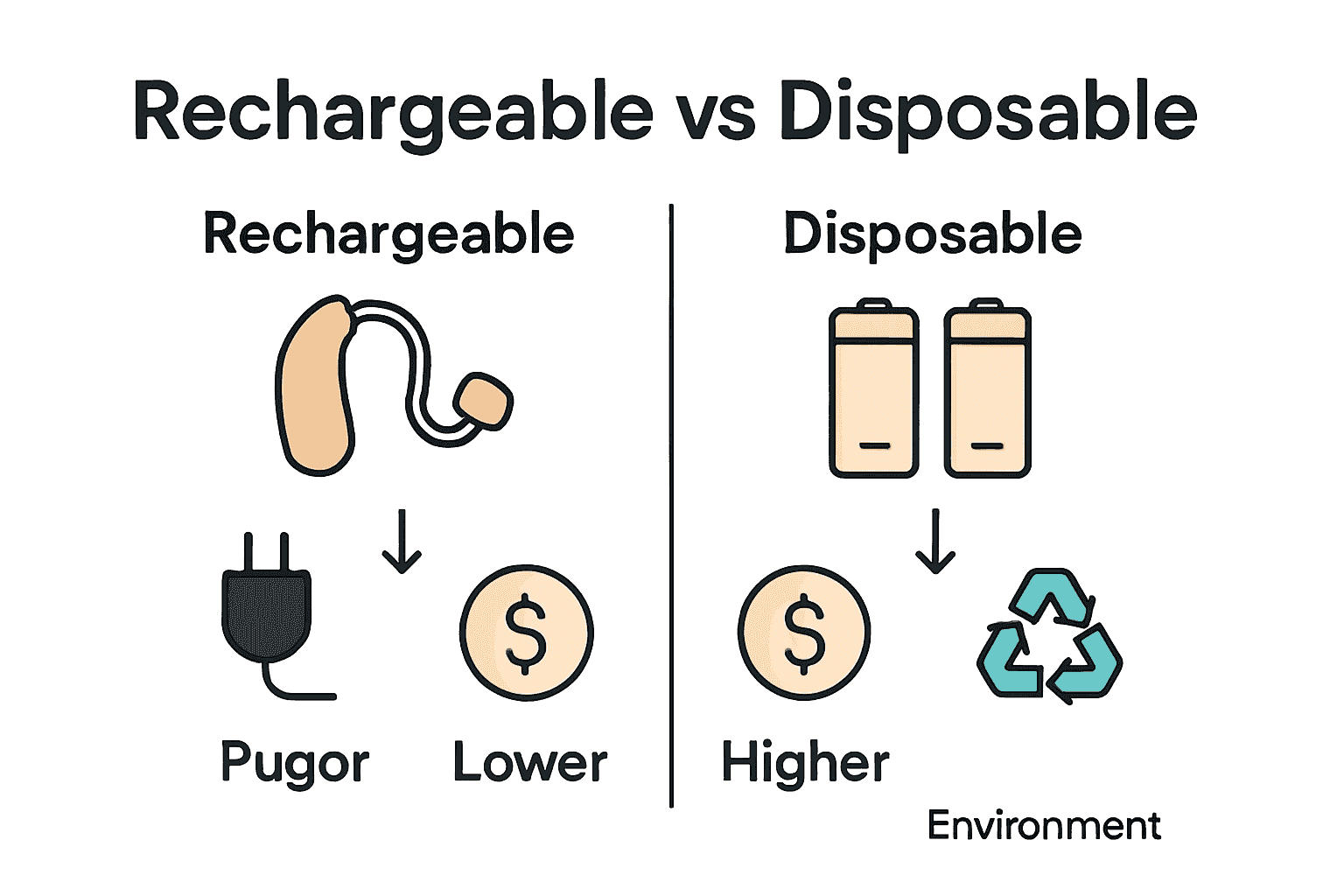 For individuals seeking a more sustainable and convenient hearing solution, rechargeable hearing aids present a compelling alternative to traditional disposable battery models.
Key Benefits for Everyday Users in the UK
Rechargeable hearing aids have revolutionised daily life for individuals experiencing hearing challenges, offering unprecedented convenience and practical advantages. As Hearology highlights, these devices provide exceptional ease of use, particularly for UK users with active lifestyles or those experiencing dexterity challenges. The overnight charging functionality ensures users start each day with fully powered hearing devices, eliminating the stress of unexpected battery failures.
Practical benefits extend far beyond simple power management. Modern rechargeable hearing aids are designed to integrate seamlessly into daily routines, addressing multiple user needs simultaneously. For individuals with limited hand mobility or arthritis, the simple drop-in charging mechanism eliminates the frustrating task of replacing tiny disposable batteries. This design makes hearing aid maintenance significantly more accessible, especially for older adults or those with physical limitations.
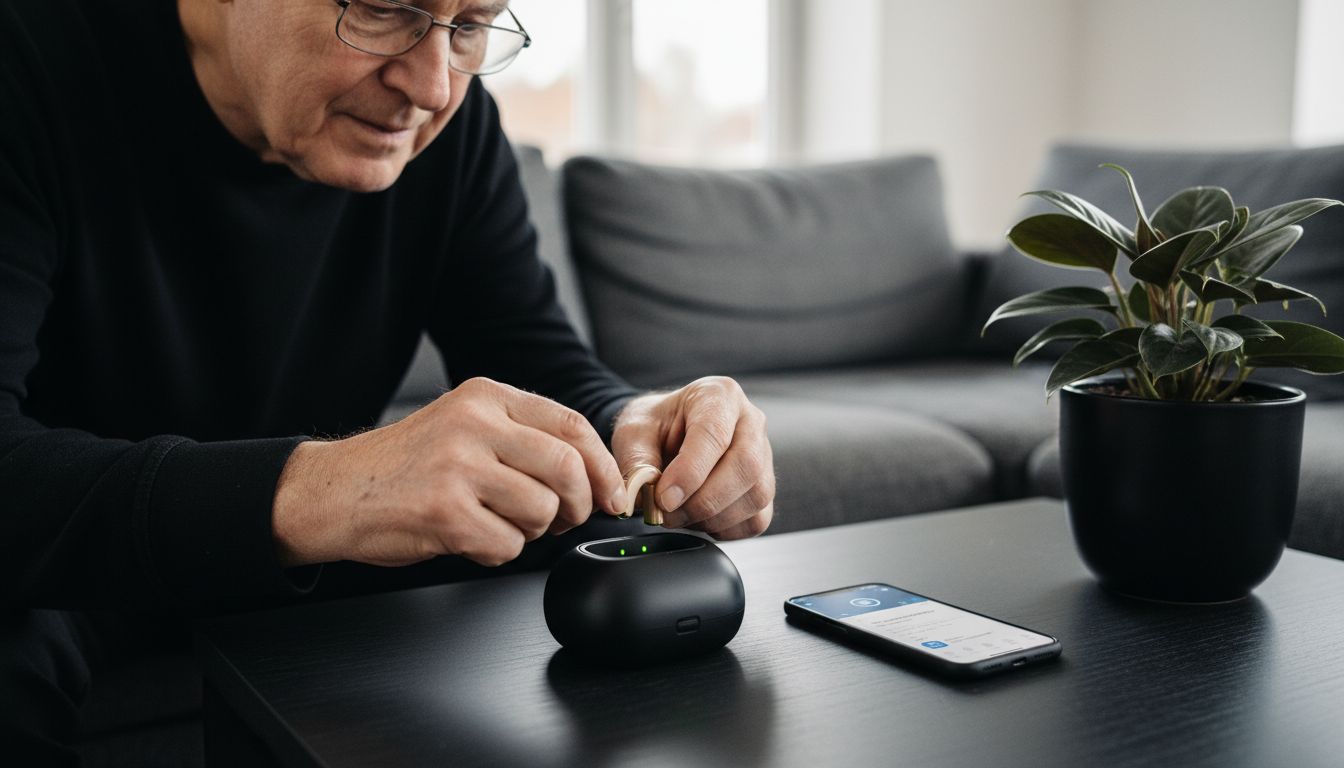
Key Benefits for UK Users:
- Simplified daily charging routine
- No more frequent battery replacements
- Reduced long-term device maintenance costs
- Enhanced environmental sustainability
- Improved device reliability
- Compatibility with modern digital lifestyles
Beyond individual convenience, rechargeable hearing aids represent a smart investment for UK users. The long-term cost savings are substantial, with users avoiding repeated purchases of disposable batteries. Additionally, these devices align perfectly with growing environmental consciousness, dramatically reducing electronic waste. For tech-savvy individuals who value seamless integration, many modern rechargeable hearing aids now offer smartphone connectivity, allowing users to adjust settings, monitor battery levels, and personalise their hearing experience with unprecedented ease. By exploring key features of modern hearing aids, users can discover how these innovative devices are transforming hearing healthcare across the United Kingdom.
Cost Savings and Environmental Impact
Rechargeable hearing aids represent a significant advancement in both economic and environmental sustainability. As Hearology explains, while these devices may initially cost more, they offer substantial long-term financial benefits by eliminating the recurring expense of disposable batteries. A typical hearing aid user might spend £50-£100 annually on replacement batteries, making rechargeable options a smart financial investment over time.
The environmental implications are equally compelling. Anglie Ear Hearing highlights the critical role of rechargeable hearing aids in reducing electronic waste, particularly in minimising soil and water contamination typically associated with battery disposal. A single user switching to rechargeable hearing aids can prevent hundreds of disposable batteries from entering landfills throughout their device’s lifetime, contributing to a more sustainable approach to personal healthcare technology.
Financial Breakdown of Cost Savings:
- Estimated annual battery replacement costs: £50-£100
- Average lifespan of rechargeable hearing aids: 4-5 years
- Potential total savings: £200-£500 over device lifetime
- Reduced environmental waste
- Lower carbon footprint
Beyond direct financial considerations, rechargeable hearing aids offer additional economic advantages. The reduced need for frequent battery purchases means less packaging waste, lower transportation costs associated with battery distribution, and a more streamlined user experience. For environmentally conscious consumers, these devices represent more than just a hearing solution – they’re a responsible choice that aligns with broader sustainability goals. The integrated lithium-ion battery technology not only provides consistent performance but also demonstrates a commitment to reducing electronic waste and supporting more eco-friendly personal technology solutions.
How to Select the Right Model for You
Selecting the perfect rechargeable hearing aid is a personal journey that requires careful consideration of your unique lifestyle and hearing needs. Hearology emphasises that the choice between rechargeable and disposable battery models fundamentally depends on individual preferences and daily routines. For someone with consistent access to electricity and a preference for convenience, rechargeable models offer an ideal solution, while frequent travellers might still find disposable battery options more flexible.
Hearing aid selection involves evaluating several critical factors beyond battery type. Your personal hearing profile, degree of hearing loss, aesthetic preferences, and technological comfort all play significant roles. Consider your typical daily environments – do you frequently move between quiet home settings and noisy public spaces? Do you require smartphone connectivity? Are you comfortable with digital interfaces, or do you prefer simpler operational mechanisms? Each of these considerations will help narrow down the most suitable rechargeable hearing aid model for your specific requirements.
Key Selection Criteria:
- Degree of hearing loss
- Battery life requirements
- Budget constraints
- Lifestyle and daily activities
- Technological comfort level
- Aesthetic preferences
- Additional feature requirements
Practical recommendations include scheduling a professional hearing assessment to understand your specific audiological needs, trying multiple models to assess comfort and sound quality, and carefully reviewing warranty and support options. Modern rechargeable hearing aids offer unprecedented customisation, with many models providing smartphone app integration, adaptive noise reduction, and personalised sound profile creation. By exploring key features of modern hearing aids, you can make an informed decision that not only addresses your hearing challenges but also enhances your overall quality of life.
Discover Effortless Hearing with Rechargeable Aids from Audora
Many people face the frustration of constant battery replacements and unexpected power loss when managing their hearing aids. This article highlights how choosing rechargeable hearing aids can eliminate those daily hassles with smart lithium-ion technology, overnight charging, and long-lasting performance. If you want an easy, reliable, and sustainable solution to fit your lifestyle while avoiding the ongoing costs and inconvenience of disposable batteries, it is time to explore better options.

Start your journey towards seamless hearing by visiting our Home page – Audora, where you can find high-quality, AI-powered rechargeable hearing aids designed for your convenience and comfort. We offer transparent pricing and UKCA-certified devices that bring advanced features like smartphone app control and invisible in-ear designs to your door without the usual waiting or hefty clinic fees. Don’t wait for batteries to run out or deal with complicated replacements. Explore our range now at getaudora.co.uk and take control of your hearing health today.
Frequently Asked Questions
What are the main benefits of rechargeable hearing aids?
Rechargeable hearing aids offer several benefits, including convenience of overnight charging, eliminating the need for frequent battery replacements, long battery life (up to 24 hours), and environmental sustainability by reducing electronic waste.
How do rechargeable hearing aids compare to disposable battery models?
Rechargeable hearing aids provide consistent power for longer periods (16-24 hours per charge) compared to disposable batteries, which typically last 5 to 14 days. While rechargeable models have a higher initial cost, they save money over time by reducing ongoing battery purchase expenses.
How long does it take to charge rechargeable hearing aids fully?
Most modern rechargeable hearing aids take approximately 3-4 hours to fully charge, providing a full day of usage on a single charge.
What should I consider when choosing a rechargeable hearing aid?
When selecting a rechargeable hearing aid, consider your degree of hearing loss, battery life needs, budget, lifestyle, and any additional features such as smartphone connectivity or adaptive sound adjustment.