

Over one billion disposable hearing aid batteries are thrown away every year. For many people with hearing loss, this isn’t just a waste problem—it’s a daily hassle and an unexpected expense. Rechargeable hearing aids have changed the game by using powerful lithium-ion batteries that deliver up to 30 hours of use from a single charge. If you want to simplify your routine, save money, and make a greener choice, understanding how these smart batteries work is the first step.
Table of Contents
- Rechargeable Batteries In Hearing Aids Defined
- Types Of Rechargeable Batteries For Hearing Devices
- How Rechargeable Batteries Power Hearing Aids
- Lifespan, Maintenance, And Daily Use Tips
- Cost, Environmental Impact, And Alternatives
Key Takeaways
| Point | Details |
|---|---|
| Rechargeable Convenience | Rechargeable hearing aids offer up to 30 hours of use per charge, improving convenience for users. |
| Cost-Effectiveness | While initial costs are high, rechargeable models save money in the long run by eliminating battery purchases. |
| Environmental Benefit | Reduced electronic waste is a significant advantage of rechargeable batteries over disposable options. |
| Maintenance Importance | Consistent charging and care can extend the lifespan of hearing aid batteries and ensure optimal performance. |
Rechargeable Batteries in Hearing Aids Defined
Rechargeable hearing aids represent a significant technological advancement in hearing assistance, offering users a convenient and sustainable alternative to traditional disposable battery models. Lithium-ion batteries have become the standard power source in modern hearing devices, providing extended usage and eliminating the frequent and costly battery replacements of the past.
According to Expert Reviews, these innovative devices can deliver up to 30 hours of continuous use per single charge, depending on specific usage patterns and integrated features. This extended battery life means users can rely on their hearing aids throughout an entire day without interruption, making them particularly beneficial for individuals who require consistent hearing support.
The key advantages of rechargeable hearing aids extend beyond mere convenience. These devices offer several compelling benefits:
- Consistent Performance: Unlike traditional batteries that gradually lose power, lithium-ion batteries provide stable and reliable electrical output
- Environmental Sustainability: Reduces battery waste by eliminating the need for frequent disposable battery replacements
- Cost-Effective: While initial investment might be higher, users save money long-term by avoiding regular battery purchases
- User-Friendly: Simple charging process, often requiring just placing the device in a charging dock overnight
Modern rechargeable hearing aids typically come with compact charging stations that are intuitive and easy to use. Most models feature indicator lights showing battery status, ensuring users always know when their device needs recharging. The transition from traditional battery-operated devices to rechargeable models represents not just a technological upgrade, but a more user-centric approach to hearing assistance.
Types of Rechargeable Batteries for Hearing Devices
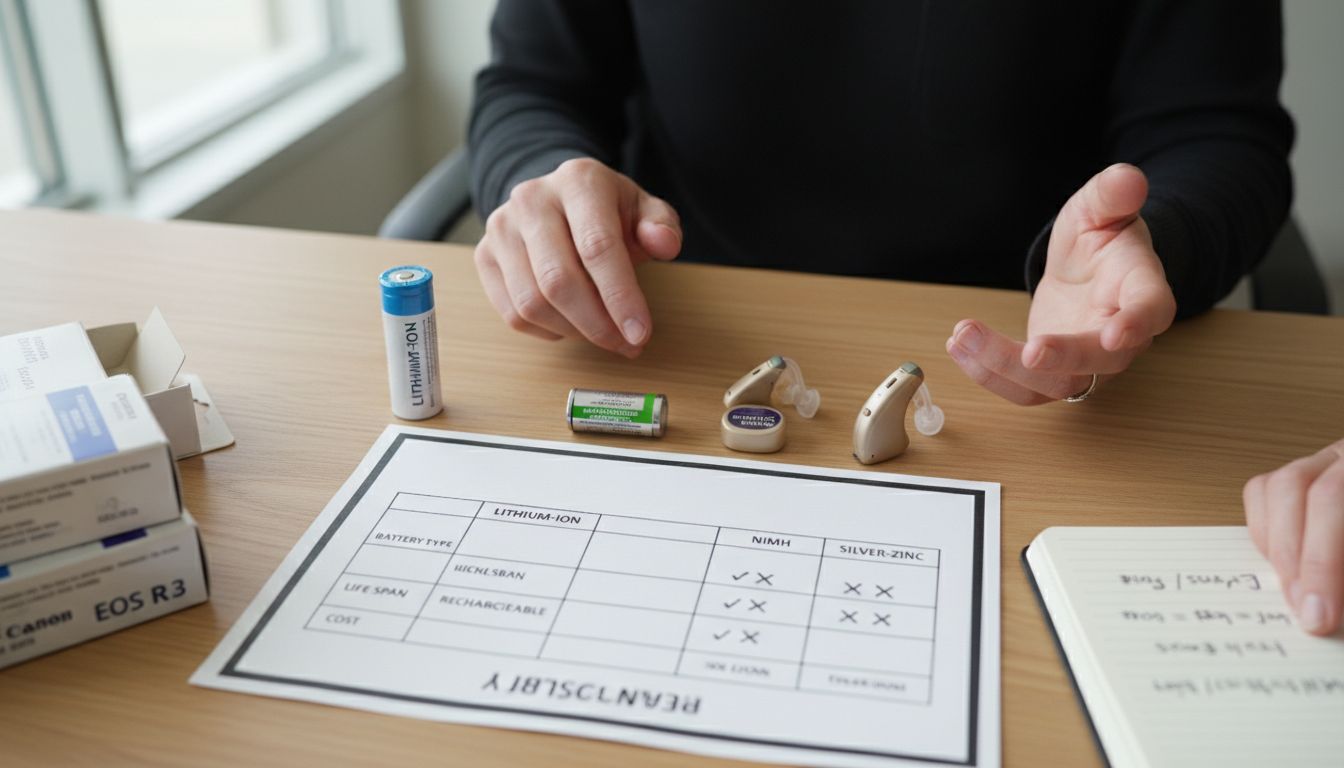
Modern hearing devices utilize several distinct types of rechargeable batteries, each with unique characteristics designed to meet the specific power requirements of hearing assistance technology. Lithium-ion batteries remain the most prevalent, but alternative technologies like nickel-metal hydride (NiMH) batteries also play a significant role in powering these essential devices.
According to Wikipedia, nickel-metal hydride batteries offer substantial advantages over older battery technologies. These batteries provide higher energy density compared to traditional nickel-cadmium models, delivering more consistent and reliable power for hearing aid users. Their improved performance makes them an attractive option for individuals seeking dependable hearing device performance.
The main types of rechargeable batteries used in hearing devices include:
-
Lithium-Ion Batteries: - Longest-lasting battery technology - Fastest charging capabilities - Highest energy density - Minimal memory effect
-
Nickel-Metal Hydride (NiMH) Batteries: - More environmentally friendly - Good energy storage capacity - Lower initial cost - Slightly shorter lifespan compared to lithium-ion
-
Silver-Zinc Batteries: - Excellent performance in compact devices - Quick charging times - Higher initial cost - Good for smaller hearing aid designs
Interestingly, Wikipedia highlights that some NiMH batteries, like the Eneloop brand, are specifically designed to retain charge over extended periods. This characteristic makes them particularly suitable for hearing devices that require consistent, reliable power throughout the day.
As hearing aid technology continues to evolve, battery manufacturers are constantly developing more efficient and longer-lasting power solutions. The goal remains consistent: providing hearing aid users with reliable, long-lasting, and convenient battery technologies that support seamless daily communication and improved quality of life.
How Rechargeable Batteries Power Hearing Aids
Rechargeable hearing aids represent a sophisticated fusion of electrical engineering and assistive technology, with battery power serving as the critical foundation for their functionality. These advanced devices transform electrical energy into sound amplification through a complex yet seamless process that enables individuals with hearing loss to experience clear, consistent audio communication.
According to Expert Reviews, modern rechargeable hearing aids are typically powered by built-in lithium-ion batteries that can be conveniently recharged overnight, ensuring the device is prepared for full-day usage. The charging process has been intentionally designed to be user-friendly, allowing individuals to simply place their hearing aids in a dedicated charging station before bedtime.
The power management process in hearing aids involves several intricate stages:
- Energy Storage: Batteries accumulate and store electrical charge
- Power Distribution: Microprocessors regulate energy flow to different components
- Signal Processing: Electrical signals are converted into amplified sound waves
- Adaptive Performance: Modern devices can adjust power consumption based on environmental sound levels
Key components involved in powering hearing aids include:
- Battery Cell: Stores electrical energy
- Microprocessor: Manages power distribution and signal processing
- Amplification Circuit: Converts stored energy into sound amplification
- Receiver: Transforms electrical signals into acoustic output
For users seeking reliable hearing aid solutions, understanding the intricate power dynamics becomes crucial. The battery doesn’t just provide electricity – it enables communication, connection, and improved quality of life for individuals managing hearing challenges.
Lifespan, Maintenance, and Daily Use Tips
Rechargeable hearing aid batteries represent a significant investment in personal communication technology, requiring careful maintenance and strategic usage to maximize their performance and longevity. Battery care goes far beyond simple charging, encompassing a holistic approach to preserving the device’s functionality and ensuring consistent, reliable hearing support.
According to Expert Reviews, the batteries in rechargeable hearing aids typically have a lifespan of around five years, which conveniently aligns with the overall lifecycle of the hearing aid device itself. This means users can expect a consistent performance period without frequent replacements, providing both financial and practical advantages.
Critical maintenance tips for optimal battery performance include:
- Consistent Charging Routine: Establish a nightly charging schedule
- Avoid Extreme Temperatures: Store devices away from direct heat or cold
- Clean Charging Contacts: Regularly wipe charging points to ensure proper connection
- Use Manufacturer-Recommended Chargers: Prevent potential battery damage
Daily usage best practices involve several key considerations:
- Morning Preparation: Remove hearing aids from charger, inspect for any visible issues
- Mid-Day Check: Monitor battery indicators and performance
- Evening Storage: Place in dry, room-temperature charging station
- Periodic Professional Inspection: Have devices checked annually
While many users might overlook battery maintenance, it’s a critical aspect of ensuring reliable hearing aid performance. By implementing these strategies, individuals can maximize their device’s efficiency, extend battery life, and maintain optimal hearing assistance throughout their daily activities.
Cost, Environmental Impact, and Alternatives
Navigating the world of hearing aid batteries involves more than just technical specifications. Battery economics and environmental considerations play a crucial role in decision-making for individuals seeking sustainable and cost-effective hearing solutions.
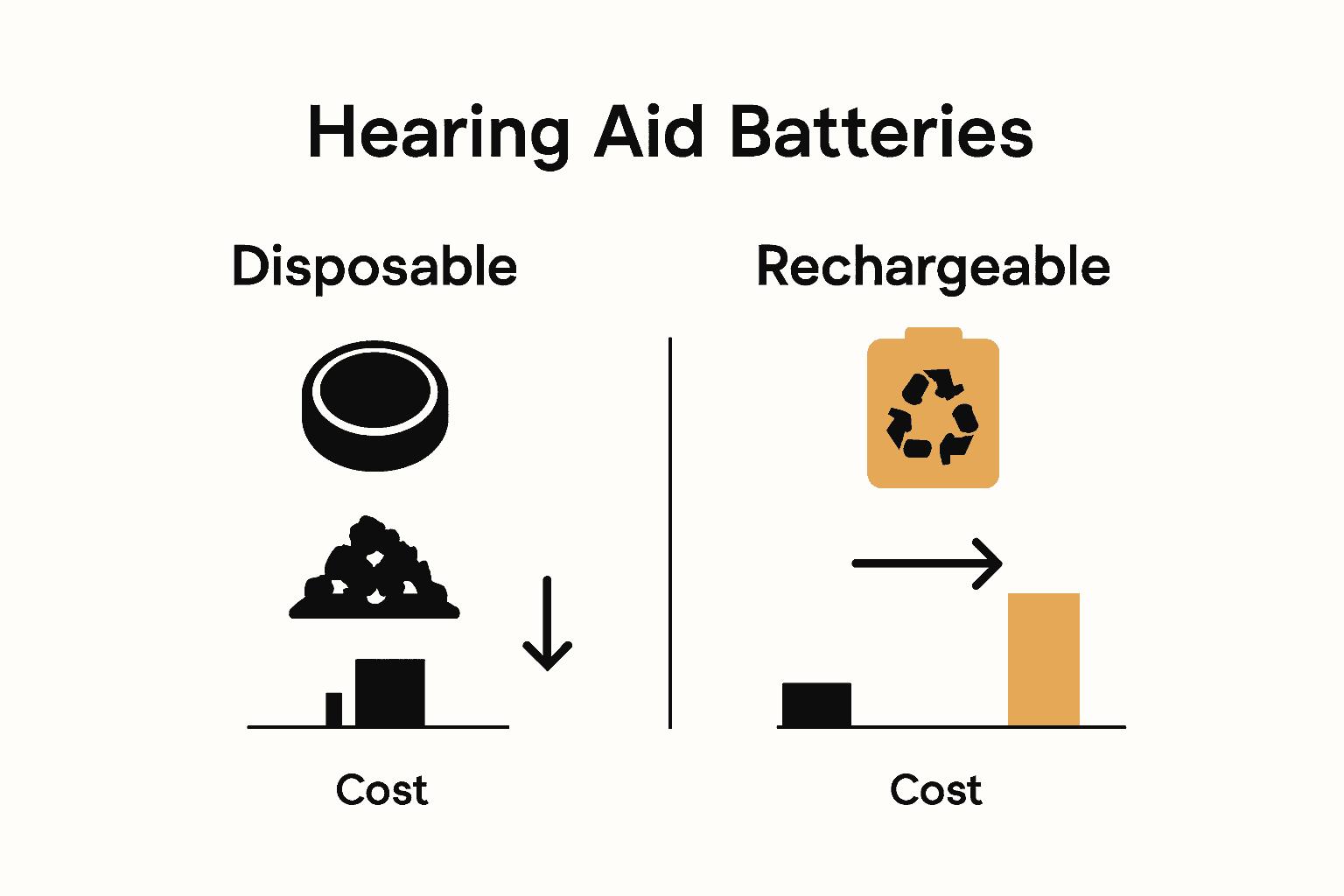
According to Expert Reviews, rechargeable hearing aids present a nuanced financial proposition. While the initial investment is typically higher, they offer significant long-term benefits by reducing ongoing battery replacement costs and minimizing environmental waste associated with disposable batteries.
Key financial and environmental considerations include:
-
Initial Cost Comparison:
- Rechargeable hearing aids: Higher upfront investment
- Disposable battery hearing aids: Lower initial cost
- Long-term savings favor rechargeable models
-
Environmental Impact:
- Rechargeable batteries reduce electronic waste
- Fewer disposable batteries end up in landfills
- Lower carbon footprint per device
Alternative power solutions for hearing devices range from traditional approaches to emerging technologies:
-
Disposable Zinc-Air Batteries
- Most traditional option
- Lower initial cost
- Frequent replacements required
-
Hybrid Charging Systems
- Combination of rechargeable and disposable technologies
- Flexibility for users with varying power needs
For users seeking comprehensive hearing aid solutions, understanding these economic and environmental trade-offs becomes essential. The choice ultimately depends on individual preferences, lifestyle requirements, and commitment to sustainable technology practices.
Discover the Power of Rechargeable Hearing Aids Today
Living with hearing loss presents daily challenges, especially when it comes to maintaining consistent and reliable battery power. Rechargeable hearing aids offer a convenient solution to these concerns by eliminating the hassle of constant battery replacement while providing stable, long-lasting energy through lithium-ion or nickel-metal hydride technologies. If you value ease of use, environmental sustainability, and cost savings over time, moving to rechargeable models can transform your hearing experience.

Explore our range of innovative, UKCA-certified digital hearing aids featuring rechargeable batteries and smart app controls right now at Home page – Audora. Why wait weeks for appointments or pay clinic prices? Visit GetAudora.co.uk for transparent pricing and quality devices designed to fit your lifestyle. Take control of your hearing with solutions that are both trustworthy and affordable. Act today to benefit from our ongoing offers and start enjoying effortless, uninterrupted hearing support.
Frequently Asked Questions
What are the main advantages of rechargeable batteries in hearing aids?
Rechargeable hearing aids offer several benefits, including consistent performance with stable power output, reduced environmental waste by eliminating disposable batteries, long-term cost savings, and a user-friendly charging process.
How long do rechargeable hearing aid batteries typically last on a single charge?
Modern rechargeable hearing aids can deliver up to 30 hours of continuous use per charge, depending on specific usage patterns and integrated features.
What types of rechargeable batteries are commonly used in hearing aids?
Common types of rechargeable batteries in hearing aids include lithium-ion batteries, which provide the longest lifespan and fastest charging, nickel-metal hydride (NiMH) batteries, and silver-zinc batteries, each with unique performance characteristics.
How should I maintain my rechargeable hearing aid batteries for optimal performance?
To maintain optimal performance, establish a consistent charging routine, avoid extreme temperatures, clean the charging contacts regularly, and use manufacturer-recommended chargers. Regular inspections and proper storage each night are also essential.