

Over one in six British adults experience hearing loss, making the choice of the right hearing aid more important than ever. Whether you are researching first-time options or want to upgrade your current device, understanding each step can shape your experience. This guide lays out what British buyers need to know, helping you make informed decisions and avoid common pitfalls when purchasing hearing aids online.
Table of Contents
- Understand Your Hearing Needs and Preferences
- Compare Different Online Hearing Aid Models
- Check for Official UK Certification and Safety Standards
- Review Transparent Pricing and Warranty Options
- Evaluate Customer Support and Aftercare Services
- Read Real Customer Reviews and Testimonials
- Look for Special Offers and Discount Opportunities
Quick Summary
| Takeaway | Explanation |
|---|---|
| 1. Assess Your Hearing Needs | Conduct a self-assessment of your hearing challenges in different environments to identify specific needs. |
| 2. Compare Hearing Aid Models | Look at various digital hearing aids, focusing on features that match your unique requirements. |
| 3. Check for UK Safety Certifications | Ensure hearing aids have UKCA and CE markings for safety and compliance with standards. |
| 4. Evaluate Pricing and Warranty | Understand total costs and warranty options to avoid hidden fees and ensure product support. |
| 5. Read Genuine Customer Reviews | Analyse detailed customer experiences to gauge the real-world performance of hearing aids. |
1. Understand Your Hearing Needs and Preferences
Buying hearing aids online requires a deep understanding of your unique hearing profile. Your hearing needs are as individual as your fingerprint, and recognising the specific challenges you face is the first crucial step towards finding the right solution.
To effectively navigate your hearing journey, begin by conducting a comprehensive self assessment. This involves evaluating your hearing difficulties in various environments such as quiet rooms, busy restaurants, or during conversations with multiple people. Ask yourself specific questions: Do you struggle to hear high pitched sounds? Do you find group conversations challenging? Are certain sounds uncomfortably loud?
The NHS guide on hearing aids and implants recommends understanding the different types of hearing loss. There are three primary types: conductive (affecting sound transmission), sensorineural (involving inner ear or nerve damage), and mixed hearing loss. Each type requires a different approach to hearing enhancement.
Consider creating a detailed log of your hearing experiences. Note down specific situations where you find hearing difficult, the frequency of these challenges, and their impact on your daily life. This documentation will prove invaluable when consulting with hearing professionals or selecting the right digital hearing aid.
Key factors to assess include your lifestyle, work environment, social interactions, and personal comfort preferences. A professional who works in a noisy construction site will have different hearing aid requirements compared to someone who enjoys quiet book reading or frequent theatre performances.
Additionally, consider your technological comfort level. Modern digital hearing aids offer smartphone connectivity, rechargeable batteries, and adaptive sound processing. Understanding which technological features matter most to you will help narrow down your options.
Pro tip: Create a prioritised list of your hearing needs, ranking them from most critical to least important. This strategic approach will help you make an informed decision and select a hearing aid that genuinely improves your quality of life.
2. Compare Different Online Hearing Aid Models
Choosing the right hearing aid requires a comprehensive comparison of available digital models, considering their unique features and how they match your specific hearing requirements. Understanding the subtle differences between models can dramatically improve your hearing experience.
Modern digital hearing aids offer an impressive array of technological capabilities. Specific hearing aid features can transform your auditory experience, ranging from basic sound amplification to advanced adaptive sound processing.
Key Comparison Factors:
Technological Capabilities
- Sound processing channels
- Noise reduction technologies
- Feedback management systems
- Bluetooth connectivity options
- Smartphone app integration
Design Considerations
- In ear versus behind ear models
- Visibility and discretion
- Battery type (rechargeable or disposable)
- Weight and comfort
The Norfolk and Norwich University Hospitals NHS Foundation Trust highlights that contemporary digital hearing aids now include sophisticated features like adaptive directionality, which helps users focus on specific sound sources in complex acoustic environments.
When comparing models, pay attention to your specific lifestyle needs. A musician might prioritise different features compared to someone working in a noisy office environment. Consider how each model handles different acoustic scenarios background noise reduction, speech clarity, and sound directionality.
Additionally, examine the technical specifications carefully. Look for models offering multiple listening programs, volume control flexibility, and compatibility with assistive listening devices. Some advanced models even provide wind noise reduction and automatic environmental sound adaptation.
Expert Tip: Create a personalised scorecard comparing different hearing aid models based on your unique hearing requirements, rating each model across factors like sound quality, comfort, battery life, and technological sophistication. This systematic approach will help you make an informed purchasing decision.
3. Check for Official UK Certification and Safety Standards
Buying hearing aids online demands rigorous attention to safety certifications and official standards specific to the United Kingdom. Not all hearing devices are created equal, and understanding the legal requirements is crucial for protecting your health and investment.
The NHS guidelines on hearing aids and implants emphasise the importance of selecting devices that meet stringent safety regulations. In the UK, medical devices must obtain specific certifications to ensure they are safe for consumer use.
Critical Certification Requirements:
- UKCA (UK Conformity Assessed) mark
- CE marking for medical devices
- Compliance with British Standards Institution (BSI) regulations
- Approval from Medicines and Healthcare products Regulatory Agency (MHRA)
The certification process involves comprehensive testing of technical performance, electromagnetic compatibility, electrical safety, and biocompatibility. These standards protect consumers from potential risks associated with substandard hearing devices.
When purchasing online, scrutinise the product description for explicit certification details. Reputable manufacturers will clearly display their compliance credentials. Look for transparent information about the device’s technical specifications and safety testing results.
Understanding these certifications helps you distinguish between high quality hearing aids and potentially unsafe alternatives. The UKCA mark specifically indicates that a product meets UK safety, health, and environmental protection requirements.
Additionally, the Royal National Institute for Deaf People (RNID) recommends consulting healthcare professionals to validate the suitability of online purchased hearing aids. Their expertise can help confirm whether a specific device meets professional standards and individual hearing needs.
Warning Signs to Watch:
- Absence of clear certification information
- Lack of manufacturer contact details
- Pricing that seems unrealistically low
- No clear return or warranty policy
Smart Tip: Always request and verify the specific certification documentation before completing your online hearing aid purchase. Cross reference the manufacturer details with official UK regulatory body records to ensure complete authenticity.
4. Review Transparent Pricing and Warranty Options
Navigating the financial landscape of online hearing aid purchases requires careful consideration of pricing structures and warranty protections. Understanding the full cost implications and long term support can save you significant money and potential frustration.
Accessing hearing devices involves comparing multiple service options that impact both initial investment and ongoing maintenance expenses. Not all hearing aid purchases are created equal when it comes to financial transparency.
Key Pricing Considerations:
- Total upfront device cost
- Potential additional fitting or consultation fees
- Ongoing maintenance expenses
- Replacement part pricing
- Battery or charging accessory costs
Transparent pricing means understanding exactly what you are paying for beyond the initial device purchase. Reputable online providers should clearly outline all associated costs without hidden charges. Look for detailed pricing breakdowns that explain each component of the total investment.
Warranty Evaluation Criteria:
- Length of manufacturer warranty
- Coverage for technical failures
- Repair versus replacement policies
- International service availability
- Process for making warranty claims
A comprehensive warranty acts as your financial safety net. Ideal warranties should cover manufacturing defects, provide repair or replacement options, and offer clear communication channels for addressing potential issues.
When comparing online hearing aid providers, request comprehensive documentation about their pricing and warranty terms. Do not hesitate to ask direct questions about potential additional costs, service limitations, or specific warranty conditions.
Remember that the cheapest option is not always the most cost effective. Consider the long term value including device quality, customer support, and comprehensive warranty protection.
Smart Tip: Create a detailed spreadsheet comparing pricing and warranty details from multiple online hearing aid providers. Calculate the total ownership cost over three to five years, including potential replacement or repair expenses, to make a truly informed purchasing decision.
5. Evaluate Customer Support and Aftercare Services
Choosing an online hearing aid provider is not just about the initial device purchase. The quality of customer support and aftercare services can make a substantial difference in your long term hearing health experience.
Aftercare support is crucial in successfully adapting to hearing technology and ensuring you receive maximum benefit from your investment.
Essential Support Services to Evaluate:
- Initial device consultation
- Remote fitting and calibration options
- Technical troubleshooting channels
- Follow up support appointments
- Device adjustment and personalisation services
Quality customer support goes beyond simple technical assistance. Look for providers offering comprehensive services that help you adapt to your new hearing aid, including personalised guidance on device usage, maintenance, and optimal performance.
Communication Channels to Assess:
- Live telephone support
- Email response times
- Video consultation availability
- Online chat services
- Dedicated hearing specialist contact
A robust aftercare programme should provide multiple avenues for getting help. This might include initial fitting appointments, follow up consultations, and ongoing technical support to ensure your hearing aid continues performing optimally.
Pay attention to the provider’s reputation for responsiveness and expertise. Read customer reviews focusing specifically on their support experience, not just product quality. A provider with transparent, accessible support can significantly enhance your hearing aid journey.
Consider the depth of support offered. Some online providers now offer comprehensive packages including initial assessment, personalised device programming, follow up appointments, and long term maintenance guidance.
Smart Tip: Before purchasing, request a detailed breakdown of the provider’s aftercare services. Specifically ask about their support model, communication channels, and what is included in their standard and premium support packages.
6. Read Real Customer Reviews and Testimonials
Customer reviews offer an unfiltered window into the real world performance of hearing aids, providing insights that marketing materials cannot capture. Understanding genuine user experiences is crucial when making an online purchasing decision.
Hearing loss experiences shared by users provide valuable insights into the practical challenges and successes of hearing aid technology.
What to Look for in Authentic Reviews:
- Detailed descriptions of device performance
- Specific improvements in daily life
- Challenges encountered during initial use
- Long term reliability observations
- Insights into comfort and adaptation
Authentic reviews go beyond simple star ratings. Look for comprehensive narratives that describe how hearing aids impact users lives in various scenarios such as social gatherings, workplace interactions, and personal communication.
Review Verification Strategies:
- Check for verified purchase indicators
- Look for reviews across multiple platforms
- Prioritise reviews with specific, detailed descriptions
- Consider reviews from users with similar hearing profiles
- Watch for patterns in both positive and negative feedback
Be cautious of reviews that seem overly generic or suspiciously positive. Genuine testimonials will include nuanced details about device performance, including both strengths and potential limitations.
Consider creating a comparison matrix of reviews, categorising feedback by key areas such as sound quality, battery life, comfort, and customer support. This systematic approach helps develop a more comprehensive understanding of potential hearing aid performance.
Remember that individual experiences vary. What works perfectly for one person might not be ideal for another. Use reviews as guidance rather than absolute truth, always considering your unique hearing requirements.
Smart Tip: Cross reference reviews from multiple sources including independent forums, healthcare websites, and verified customer platforms to gain a balanced perspective on hearing aid performance and user satisfaction.
7. Look for Special Offers and Discount Opportunities
Navigating the financial landscape of hearing aid purchases requires strategic planning and a keen eye for potential savings. Smart consumers understand that timing and research can unlock significant discounts on high quality hearing devices.
Private hearing device providers offer flexible purchasing options that often include attractive promotional opportunities not available through traditional NHS channels.
Discount Hunting Strategies:
- Monitor seasonal sales periods
- Sign up for email newsletters
- Check manufacturer promotional calendars
- Look for first time buyer incentives
- Explore bundle purchase options
- Consider package deals with additional accessories
Timing your purchase can make a substantial difference in overall cost. Many providers offer special promotions during specific periods such as National Hearing Awareness Week, end of financial year sales, or healthcare technology innovation months.
Additional Savings Opportunities:
- Referral programme discounts
- Student or senior citizen price reductions
- Trade in programmes for older hearing devices
- Financing options with zero interest periods
- Loyalty programme benefits
Carefully review the terms and conditions of any discount offer. Some promotions might seem attractive but include hidden costs or restrictive conditions that could offset the initial savings.
Consider creating a dedicated email address for hearing aid related communications. This allows you to track promotional offers without cluttering your primary inbox and provides a centralised location for comparing different discount opportunities.
Remember that the lowest price is not always the best value. Balance potential savings with device quality, warranty coverage, and aftercare support to ensure you are making a comprehensive financial decision.
Smart Tip: Develop a systematic approach to tracking hearing aid promotions by setting up price alerts, following manufacturer social media channels, and maintaining a spreadsheet to compare historical pricing trends and upcoming discount opportunities.
Below is a comprehensive table summarising the steps and key considerations for purchasing hearing aids online as discussed in the article.
| Main Step | Key Points & Actions | Benefits/Outcomes |
|---|---|---|
| Understand Hearing Needs | Conduct self-assessment of hearing challenges; note environments & difficulties; identify specific hearing loss type. | Helps tailor hearing aid to personal needs, improving efficacy. |
| Compare Different Models | Analyse sound processing, design, connectivity, and acoustic management features. | Enhances auditory experience by aligning device features with lifestyle. |
| Verify UK Certification | Check for UKCA, CE marks, BSI compliance and MHRA approval. | Ensures safety and compliance, protecting health and investment. |
| Consider Pricing and Warranty | Review total cost, warranty length, and coverage details. | Provides financial security and clarity on long-term investment. |
| Evaluate Customer Support | Assess quality of remote support, technical assistance, and aftercare services. | Enhances long-term usability and satisfaction with continuous support. |
| Read Customer Reviews | Examine verified performance descriptions and review patterns. | Provides real-world insights into device reliability and effectiveness. |
| Look for Discounts | Monitor for promotions, referral programmes, and financing options. | Reduces financial outlay, increasing accessibility to high-quality devices. |
Discover the Smart Way to Buy Hearing Aids Online in the UK
Navigating the challenges of purchasing hearing aids online can feel overwhelming especially when considering your unique hearing needs, UK safety standards and aftercare support. At GetAudora.co.uk, we understand that finding a discreet, technologically advanced hearing aid that fits your lifestyle and budget is essential. We offer fully UKCA-certified digital devices with features like rechargeable batteries and smartphone connectivity to meet your exact requirements without lengthy NHS waits or hidden clinic fees.
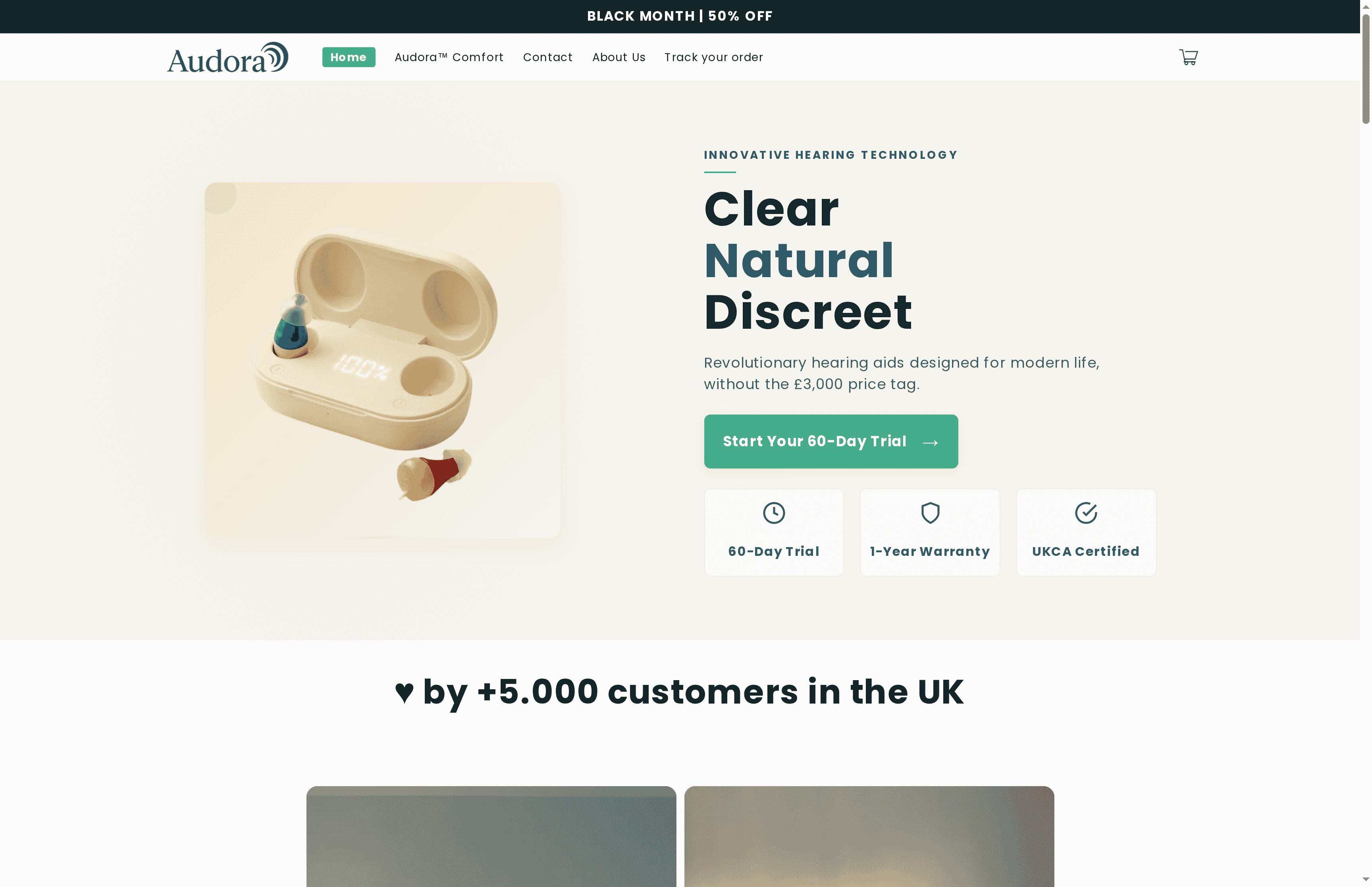
Explore our range of high-quality hearing aids on the Home page – Audora and enjoy transparent pricing with comprehensive warranties. Take control of your hearing health today with trusted support and exclusive offers at GetAudora.co.uk. Don’t wait—enhance your hearing experience now by visiting us and finding the perfect hearing aid solution tailored just for you.
Frequently Asked Questions
How do I assess my hearing needs before buying hearing aids online?
Understanding your hearing needs involves evaluating your specific challenges in different environments. Conduct a self-assessment by noting situations where you struggle to hear and create a prioritised list of your needs to guide your purchase.
What factors should I consider when comparing different online hearing aid models?
When comparing hearing aids, focus on their technological capabilities, design, and how they fit your lifestyle. Create a scorecard to rate different models based on features like sound quality, comfort, and battery life to make an informed decision.
Why is it important to check for certification and safety standards when buying hearing aids?
Checking for certification ensures that the hearing aids meet safety regulations and are safe for use. Look for marks like UKCA or CE, which indicate compliance with health and safety standards before making your purchase.
What should I know about warranty options when purchasing hearing aids online?
Understanding the warranty is crucial as it protects your investment. Evaluate the length of the warranty and coverage for repairs or replacements; ideally, find a warranty that offers support for both technical issues and long-term maintenance.
How can I ensure I receive quality customer support after buying hearing aids online?
To ensure quality support, look for providers that offer comprehensive aftercare services like remote fitting and follow-up consultations. Assess their communication channels and read reviews to gauge how responsive they are to customer inquiries.
What are some strategies for finding discounts on hearing aids when buying online?
To find discounts, monitor seasonal sales, sign up for newsletters, and look for first-time buyer incentives. Consider creating a dedicated email to track promotions, which can help you take advantage of substantial savings opportunities.