

Long NHS waiting lists leave many British adults over 50 struggling to access proper hearing support. With new AI-powered hearing aids, the wait and high costs no longer have to control your choices. Recent research shows that smart devices can reduce background noise and offer custom sound profiles, improving daily life for those with mild to moderate hearing loss. This guide unpacks what makes next-generation hearing aids unique, how they work, and practical ways to find affordable options tailored for British needs.
Table of Contents
- Defining Next-Generation Hearing Aids
- AI Technology and Smart Features Explained
- Comparing In-Clinic and Direct-to-Consumer Options
- Cost, Safety, and Regulatory Considerations
- Overcoming NHS Waiting Lists and Practical Tips
Key Takeaways
| Point | Details |
|---|---|
| Next-Generation Functionality | Modern hearing aids utilise advanced digital processing and AI for personalised auditory experiences, moving beyond simple sound amplification. |
| AI Integration | These devices dynamically adapt to complex sound environments, providing enhanced clarity and tailored support for various hearing challenges like tinnitus. |
| Consumer Accessibility | Direct-to-consumer options offer a more affordable and convenient alternative to traditional clinical fittings, making hearing technology more accessible. |
| Regulatory Considerations | Consumers should ensure that hearing aids meet safety and regulatory standards, verifying certification and data protection measures before purchase. |
Defining Next-Generation Hearing Aids
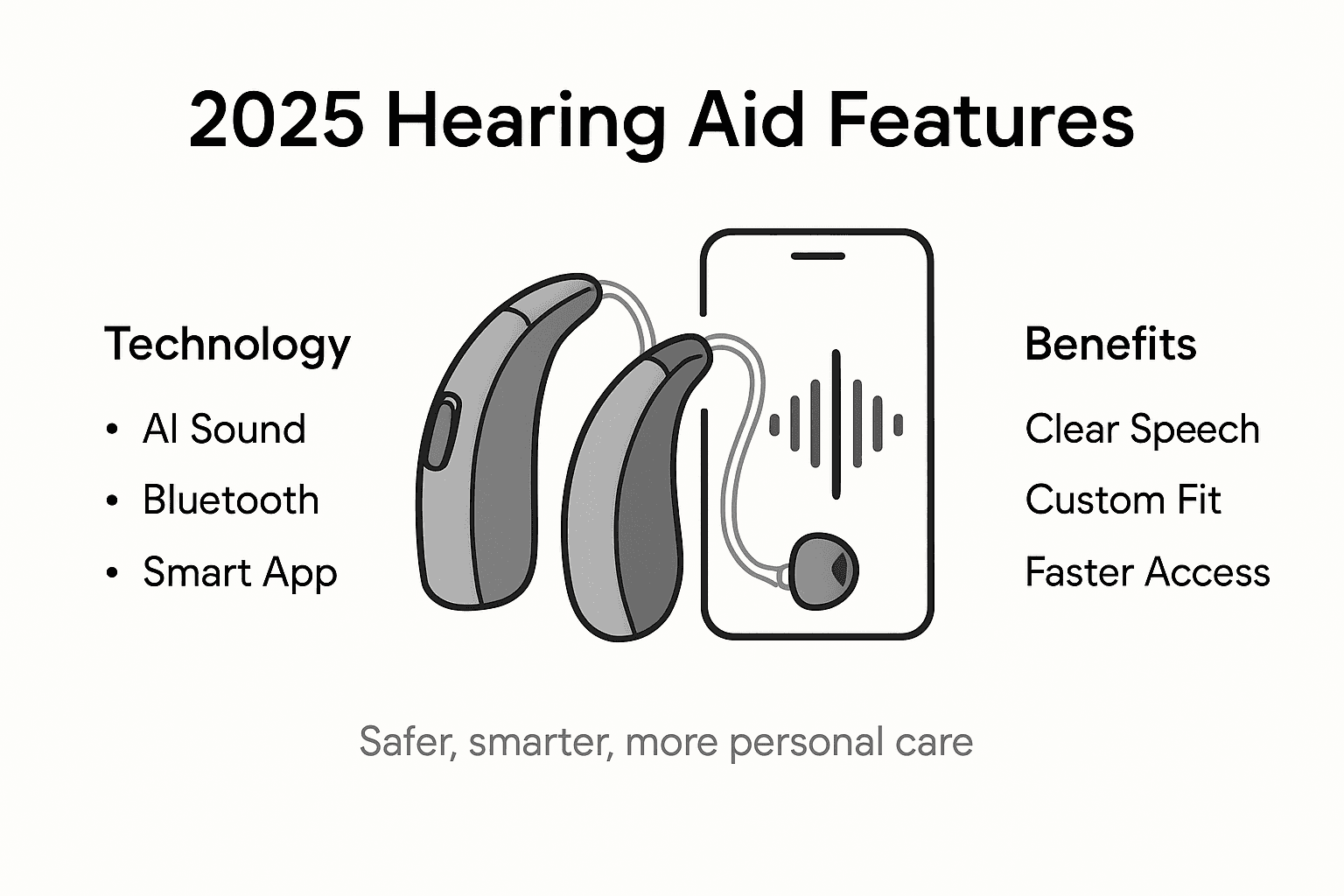
Hearing aid technology is undergoing a transformative evolution, shifting from simple sound amplification to sophisticated, intelligent devices that provide personalised auditory experiences. Modern hearing aids are no longer passive devices but active health companions powered by advanced digital processing and artificial intelligence. Newcastle University research highlights this breakthrough, demonstrating how next-generation hearing aids can now deliver targeted sound therapies directly through smartphone integration.
These cutting-edge devices incorporate several groundbreaking features that distinguish them from traditional hearing aids:
- Adaptive Sound Processing: Intelligent algorithms analyse environmental noise in real-time
- AI-Driven Personalisation: Custom sound profiles tailored to individual hearing loss patterns
- Smartphone Connectivity: Seamless control and configuration through dedicated mobile applications
- Tinnitus Management: Integrated sound therapy techniques to reduce auditory disruptions
The most significant advancement lies in the device’s ability to go beyond mere amplification. By leveraging digital sound processing technologies, these hearing aids can now interpret complex sound environments, distinguish speech from background noise, and even provide therapeutic interventions for conditions like tinnitus without requiring direct clinical supervision.
Here is a summary comparing traditional and next-generation hearing aids:
| Aspect | Traditional Hearing Aids | Next-Generation Hearing Aids |
|---|---|---|
| Core Functionality | Amplifies all ambient sounds | Intelligent sound processing |
| Personalisation | Manual adjustments | AI-driven custom profiles |
| Connectivity | Minimal external integration | Full smartphone integration |
| Therapeutic Support | None | Built-in tinnitus management |
| Ongoing Adaptation | Fixed settings after fitting | Learns and adapts over time |
Pro tip: Consider scheduling a comprehensive hearing assessment to understand how these next-generation technologies could specifically benefit your unique hearing profile.
AI Technology and Smart Features Explained
The landscape of hearing technology has dramatically transformed with the introduction of artificial intelligence, revolutionising how individuals experience sound management. Advanced digital processing algorithms now enable hearing aids to adapt dynamically to complex acoustic environments, providing unprecedented levels of personalisation and clarity.
Key AI-powered features that distinguish modern hearing devices include:
- Adaptive Sound Mapping: Intelligent noise reduction technology
- Real-Time Speech Enhancement: Algorithmic clarity improvement
- Environment Recognition: Automatic acoustic scene analysis
- Personalised Sound Profiling: Machine learning-driven audio customisation
UK government initiatives are actively supporting these technological breakthroughs, recognising how smartphone-integrated hearing solutions can significantly reduce social isolation and improve quality of life for individuals with mild to moderate hearing challenges. The integration of AI allows these devices to learn user preferences continuously, automatically adjusting settings to provide increasingly refined auditory experiences.

Pro tip: When exploring AI-powered hearing aids, request a demonstration of the device’s adaptive sound processing to understand how it responds to different acoustic environments.
Comparing In-Clinic and Direct-to-Consumer Options
The hearing aid landscape is undergoing a significant transformation, with direct-to-consumer (DTC) options challenging traditional clinical fitting models. Clinical trials comparing professionally fitted and self-fitting devices have revealed remarkable similarities in performance, suggesting that innovative at-home solutions can be just as effective as traditional clinic-based approaches.
Key differences between in-clinic and direct-to-consumer hearing aid options include:
- Cost: DTC options typically 40-60% less expensive
- Convenience: No lengthy appointments or waiting lists
- Personalisation: Advanced self-fitting smartphone technologies
- Professional Support: Varied levels of remote assistance
Research from Edinburgh Napier University highlights the critical importance of integrating professional support with direct-to-consumer models. While these innovative solutions improve accessibility, they must maintain robust safety standards and provide comprehensive user education to ensure effective hearing healthcare.
The table below compares essential factors for in-clinic and direct-to-consumer hearing aid models:
| Consideration | In-Clinic Model | Direct-to-Consumer Model |
|---|---|---|
| Professional Involvement | Audiologist-led fitting | Remote or self-guided setup |
| Speed of Access | Often long waiting times | Immediate purchase possible |
| Suitability Review | Clinical assessment provided | Online consultation recommended |
| Education & Training | In-person guidance | Digital resources and support |
| Follow-Up Care | Scheduled clinical appointments | Customer service or helplines |
Pro tip: Before purchasing a direct-to-consumer hearing aid, request a comprehensive online consultation to verify its suitability for your specific hearing profile.
Cost, Safety, and Regulatory Considerations
Navigating the complex landscape of hearing aid technology requires a nuanced understanding of cost, safety, and regulatory frameworks. The Medicines and Healthcare products Regulatory Agency (MHRA) is actively developing new regulatory standards to ensure the safe and ethical implementation of AI-powered hearing technologies, balancing innovation with patient protection.
Key considerations for consumers include:
- Cost Transparency: Understanding total ownership expenses
- Safety Standards: Ensuring medical device compliance
- Regulatory Approval: Verifying UKCA certification
- Data Protection: Assessing privacy and security measures
The evolving regulatory environment demands careful scrutiny from consumers. While direct-to-consumer hearing aids offer unprecedented accessibility, they must still meet rigorous medical device standards that protect user safety and ensure technological reliability. This means investigating manufacturer credentials, understanding warranty provisions, and confirming that devices meet official healthcare technology guidelines.
Pro tip: Request detailed documentation about a hearing aid’s regulatory certifications and safety testing before making your final purchase decision.
Overcoming NHS Waiting Lists and Practical Tips
Navigating the lengthy NHS hearing aid waiting lists can be challenging for individuals experiencing hearing loss. Patients are advised to maintain active communication with audiology providers while exploring alternative strategies to manage their hearing health during extended wait periods.
Practical strategies for managing hearing challenges while awaiting NHS support include:
- Communication Adaptation: Learn basic lipreading techniques
- Environmental Modifications: Optimise home and work acoustic settings
- Temporary Assistive Devices: Consider interim listening technologies
- Regular Follow-ups: Maintain consistent contact with healthcare providers
Direct-to-consumer hearing aid solutions offer a proactive alternative to traditional NHS waiting lists, providing immediate access to personalised hearing support. These options can bridge the gap between initial hearing assessment and professional fitting, ensuring individuals do not compromise their auditory health while navigating bureaucratic healthcare systems.
Pro tip: Document your hearing challenges and communication difficulties during the waiting period, as this information can be valuable when discussing your specific needs with healthcare professionals.
Discover Advanced Hearing Solutions Tailored for Tomorrow
The article highlights the shift towards AI-powered, smartphone-connected hearing aids that adapt and personalise your hearing experience. Key challenges like long NHS waiting lists and costly clinical fittings need not delay your sound clarity anymore. If you find yourself seeking intelligent, discreet hearing devices with transparent pricing and cutting-edge tinnitus management, there is a practical alternative available now.
At Home page – Audora you will find a carefully curated selection of UKCA-certified hearing aids designed to transform your auditory health. These devices feature rechargeable batteries, seamless smartphone app control, and invisible in-ear designs — everything you need to conquer the frustrations of traditional hearing solutions and regain confidence in your daily conversations.
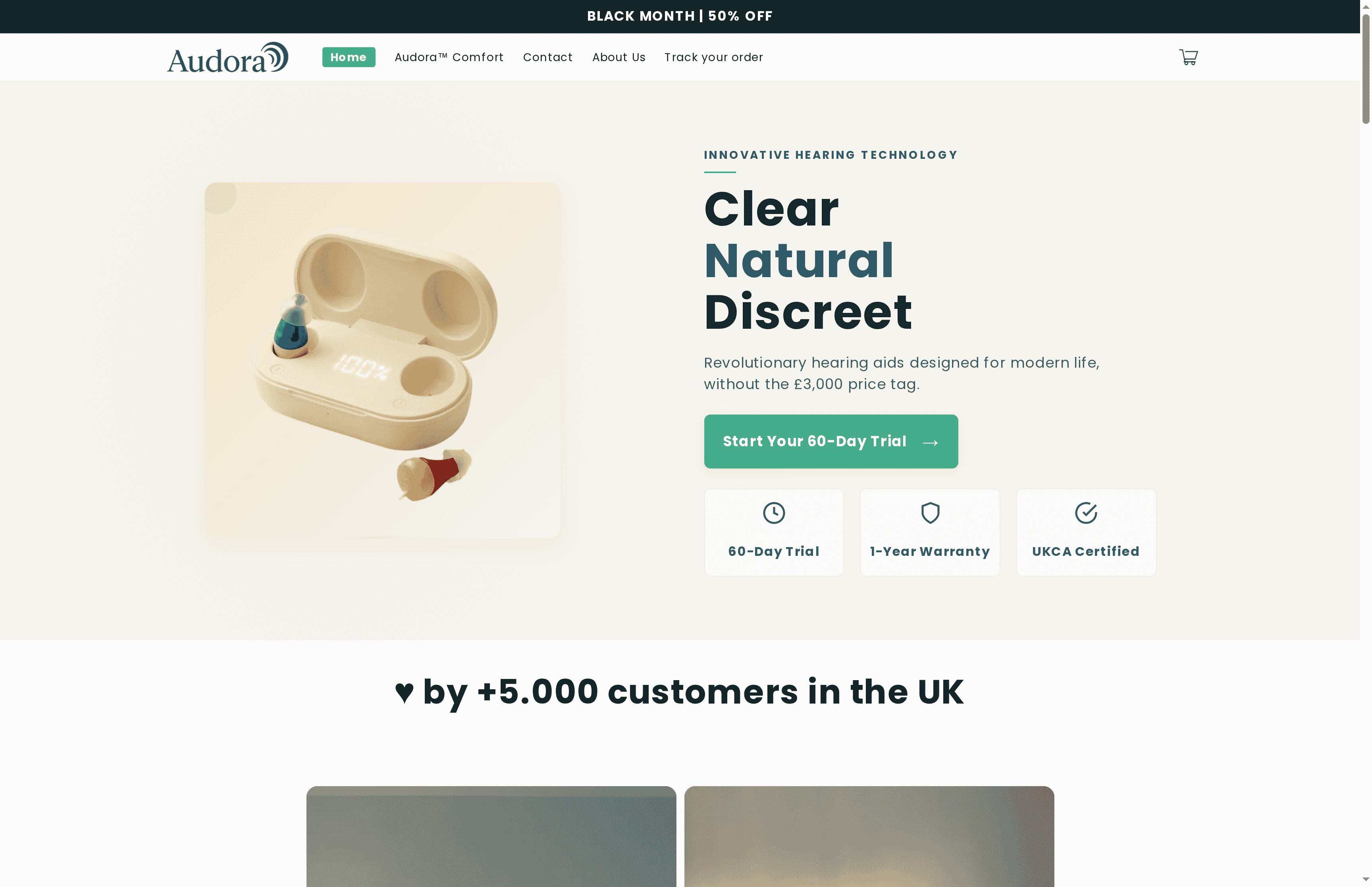
Take control of your hearing journey today by exploring Audora. Benefit from substantial savings, expert-backed safety, and an easy, appointment-free shopping experience. Don’t wait any longer to hear the world with greater clarity and comfort—visit us now and experience next-generation hearing technology that truly listens to you.
Frequently Asked Questions
What are next-generation hearing aids?
Next-generation hearing aids are advanced devices that use artificial intelligence and digital processing to provide personalised auditory experiences, moving beyond simple sound amplification to offer features like adaptive sound processing and tinnitus management.
How does AI technology enhance modern hearing aids?
AI technology enhances modern hearing aids by enabling adaptive sound mapping, real-time speech enhancement, and personalised sound profiling, allowing the devices to dynamically adjust to various acoustic environments for improved clarity and comfort.
What are the key differences between in-clinic and direct-to-consumer hearing aid models?
The main differences include cost, convenience, and the level of professional support, with direct-to-consumer options typically being less expensive and allowing for immediate access, while in-clinic models provide audiologist-led fitting and follow-up care.
How do I ensure the safety and regulatory compliance of a hearing aid?
To ensure safety and regulatory compliance, verify that the hearing aid has received the necessary certifications and approvals, such as UKCA certification, and request information about the device’s safety testing and compliance with medical device standards.