

More than three million British adults face mild to moderate hearing loss yet struggle with solutions that feel out of reach. Rising costs and long waits through traditional routes leave many frustrated and searching for answers. If you want affordable options and more control, you are not alone. This guide reveals how direct-to-consumer solutions are changing access, helping British adults reclaim hearing health without financial strain.
Table of Contents
- Defining Affordability In Hearing Healthcare
- Traditional Pathways And Access Barriers
- Direct-To-Consumer Hearing Aids Explained
- Financial Impact On Individuals And Society
- Comparing Costs: Clinics Vs Online Models
- Safety, Regulation, And Consumer Rights
Key Takeaways
| Point | Details |
|---|---|
| Affordability in Hearing Healthcare | Access to quality hearing solutions should not impose significant financial strain, requiring examination of both direct and indirect costs. |
| Barriers in Traditional Pathways | Complex referral processes and long waiting times impede access to hearing support, especially for individuals with mild to moderate hearing loss. |
| Direct-to-Consumer Hearing Aids | These devices offer a more accessible solution but require users to understand their hearing needs and limitations. |
| Economic Impact of Hearing Loss | Untreated hearing loss imposes substantial costs on individuals and society, and addressing it can improve employment and reduce long-term healthcare expenses. |
Defining affordability in hearing healthcare
Affordability in hearing healthcare represents more than just a price tag. It encompasses an individual’s ability to access quality hearing solutions without experiencing significant financial strain. According to the RNID comprehensive 2020 report, affordability involves addressing economic barriers that prevent individuals from obtaining essential hearing care services.
In the United Kingdom, hearing healthcare affordability is complex and multifaceted. The European comparative study on hearing aid funding reveals that true affordability depends on several critical factors: public funding coverage, out-of-pocket expenses, insurance schemes, and regulatory frameworks. These elements determine whether hearing devices remain accessible to those who need them most.
Understanding affordability requires examining direct and indirect costs. Direct costs include the hearing aid device itself, professional consultations, and ongoing maintenance. Indirect costs encompass potential lost productivity, social isolation, and mental health impacts when hearing loss remains untreated. For adults experiencing hearing challenges, affordability isn’t just about the initial purchase price but about comprehensive, sustainable access to hearing healthcare solutions.
Pro tip: Research government support programmes and explore direct-to-consumer hearing aid options to maximise affordability without compromising on quality care.
Traditional pathways and access barriers
Traditional hearing healthcare pathways in the United Kingdom have long been characterised by complex, time-consuming processes that create significant barriers for individuals seeking hearing support. UK-wide research reveals systemic communication challenges within healthcare systems, demonstrating how ineffective communication and insufficient deaf awareness can deter people from accessing essential hearing services.
The standard route typically involves multiple stages: initial GP referral, audiology waiting lists, specialist consultations, and potential hearing aid fittings. These pathways are often bureaucratic and slow, with waiting times that can stretch from several weeks to months. The RNID report exposes widespread NHS failures in meeting communication needs, highlighting systemic barriers that include inadequate staff training, poor information provision, and limited understanding of hearing loss challenges.
Key access barriers include financial constraints, geographical limitations, complex referral processes, and a lack of personalised support. Many adults experience frustration with traditional healthcare models that seem more focused on administrative processes than individual patient needs. These barriers are particularly pronounced for individuals with mild to moderate hearing loss, who often find themselves navigating a healthcare system that feels unwelcoming and disconnected from their specific requirements.
Pro tip: Request a communication support plan during your initial healthcare consultation to ensure your specific hearing needs are properly understood and addressed.
Direct-to-consumer hearing aids explained
Direct-to-consumer hearing aids represent a revolutionary approach to hearing healthcare, offering individuals more accessible and convenient options for addressing hearing loss. UK government policy guidance now supports over-the-counter hearing aid technologies, signalling a significant shift in how hearing solutions are delivered and accessed.
These innovative devices typically combine advanced software technologies with user-friendly self-testing capabilities. Unlike traditional audiologist-fitted models, direct-to-consumer hearing aids empower users to conduct initial hearing assessments, adjust device settings, and personalise their hearing experience through smartphone applications. This approach dramatically reduces professional consultation costs and eliminates lengthy waiting periods associated with conventional hearing healthcare pathways.
However, direct-to-consumer solutions are not without potential limitations. While they offer unprecedented convenience and affordability, they cannot completely replace professional audiological assessment for complex hearing conditions. Users must carefully understand their specific hearing needs, recognise the device’s capabilities, and be prepared to seek professional guidance if experiencing significant hearing challenges. The key is finding a balanced approach that leverages technological innovation while maintaining appropriate medical oversight.
Pro tip: Conduct a comprehensive online hearing test before purchasing a direct-to-consumer hearing aid to understand your specific hearing profile and compatibility with self-fitting technologies.
Financial impact on individuals and society
Hearing loss represents a profound economic challenge with far-reaching consequences for both individual financial wellbeing and broader societal productivity. Research reveals the staggering economic burden of untreated hearing loss at approximately £25.5 billion annually, highlighting the critical importance of accessible and affordable hearing healthcare solutions.
At an individual level, untreated hearing loss can dramatically reduce employment opportunities and earning potential. Professionals experiencing hearing difficulties often face subtle workplace discrimination, reduced career progression, and increased likelihood of early retirement. These personal economic challenges compound the broader societal costs, creating a complex cycle of financial disadvantage that extends beyond immediate healthcare expenses.

The European economic analysis demonstrates that investment in hearing care yields substantial societal returns, reducing long-term healthcare costs associated with mental health complications, social isolation, and cognitive decline. By addressing hearing loss proactively, individuals and healthcare systems can mitigate significant economic burdens, improve workforce participation, and enhance overall quality of life.
The following table highlights the key financial and personal consequences of untreated versus treated hearing loss:
| Outcome | Untreated Hearing Loss | Treated Hearing Loss |
|---|---|---|
| Employment prospects | Reduced job opportunities | Improved retention and progression |
| Mental health impact | Higher risk of depression | Enhanced wellbeing and resilience |
| Social participation | Increased isolation | Greater engagement and communication |
| Long-term costs | Rising healthcare expenses | Lowered future care requirements |
| Societal productivity | Decreased workforce contribution | Increased economic participation |
Pro tip: Consider hearing aid costs as a long-term investment in your professional and personal wellbeing, not just an immediate expense.
Comparing costs: clinics vs online models
The landscape of hearing healthcare pricing reveals significant disparities between traditional clinic-based services and emerging online models. Recent comprehensive research from Which? highlights the complex cost considerations across different hearing aid procurement pathways, demonstrating the nuanced financial choices facing consumers.
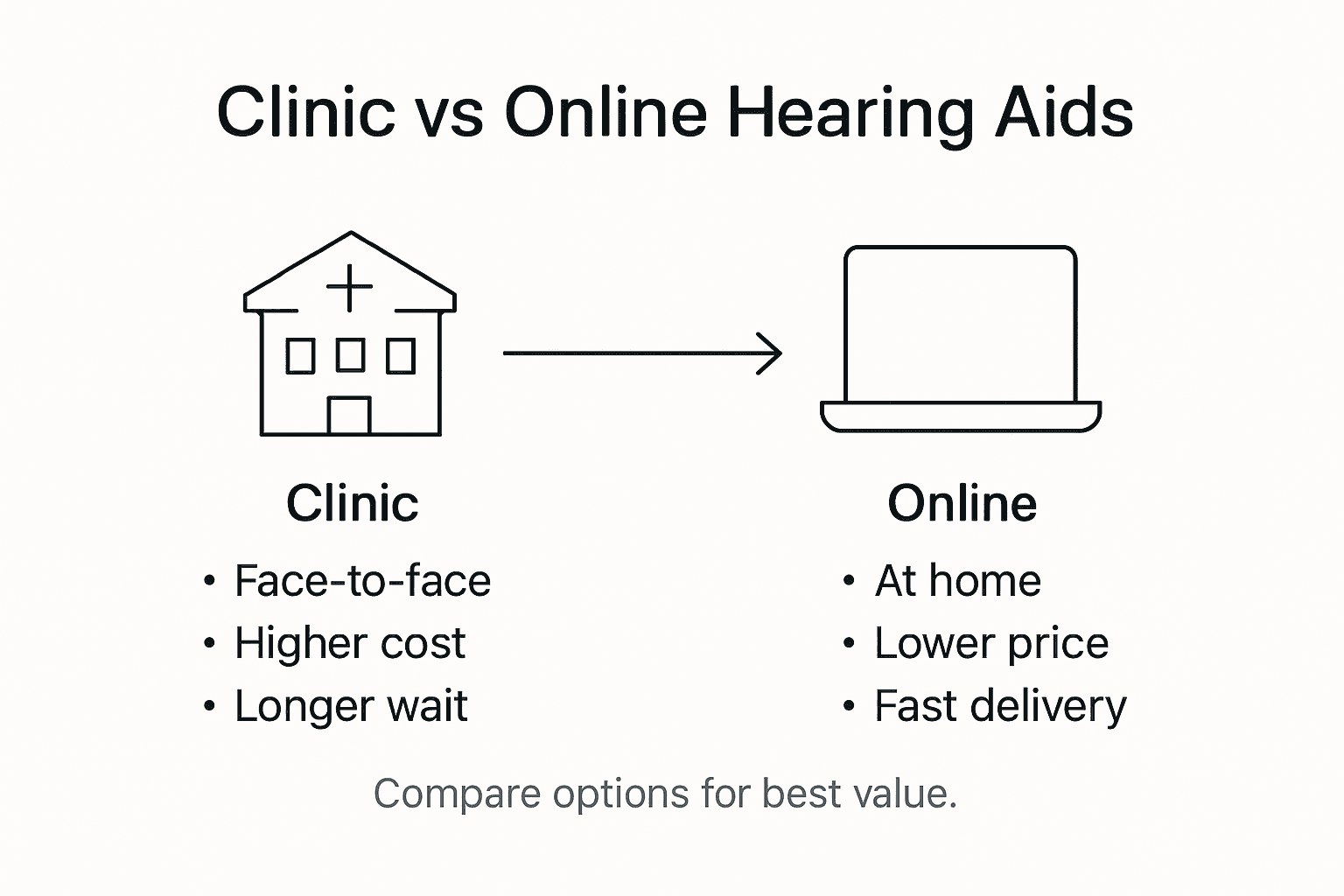
Traditional clinical routes typically involve substantial upfront and ongoing expenses. A typical audiologist consultation can cost between £50 to £250, with hearing aids ranging from £1,000 to £3,500 per device. These prices often include professional fitting, follow-up appointments, and potential future adjustments. In contrast, online models dramatically reduce these expenses by eliminating intermediary costs, offering devices at a fraction of traditional pricing while providing similar technological capabilities.
The NHS represents a unique third option, offering free hearing aids but with notable limitations. Waiting lists can extend for months, device technology tends to be less advanced, and customisation options are restricted. Online and direct-to-consumer models bridge this gap by providing faster access, more technologically sophisticated devices, and transparent pricing structures that empower consumers to make informed healthcare decisions without compromising on quality.
Here is a concise comparison of hearing aid procurement pathways in the UK:
| Pathway | Key Advantage | Main Limitation | Typical Waiting Time |
|---|---|---|---|
| NHS Clinics | Free devices | Limited choice, long waits | Several months |
| Private Clinics | Customised care, follow-ups | High cost | 1-2 weeks |
| Online/Direct-to-Consumer | Fast access, lower prices | Requires self-management | Immediate to 1 week |
Pro tip: Compare the total lifetime cost of hearing aids, including consultation fees, device price, and potential maintenance expenses, rather than focusing solely on initial purchase price.
Safety, regulation, and consumer rights
Consumer safety in hearing healthcare has become increasingly sophisticated, with comprehensive government regulations designed to protect individuals purchasing hearing aids. These legal frameworks ensure that hearing device providers maintain rigorous standards of clinical efficacy, product quality, and consumer protection across both traditional and emerging direct-to-consumer models.
The regulatory landscape mandates several critical safeguards for consumers. Hearing aid providers must comply with stringent medical device regulations, ensuring that all products undergo thorough testing and meet precise technical specifications. This includes requirements for accurate sound amplification, durability, battery performance, and user safety. Additionally, providers are legally obligated to offer clear information about device capabilities, potential limitations, and appropriate usage guidelines, enabling consumers to make informed healthcare decisions.
While online and direct-to-consumer models represent innovative approaches to hearing healthcare, they remain subject to the same robust regulatory oversight as traditional clinic-based services. Consumers are protected by consumer rights legislation that guarantees product quality, mandates transparent pricing, ensures fair return policies, and provides mechanisms for addressing potential device malfunctions or unsatisfactory performance. These legal protections help mitigate risks associated with purchasing hearing aids through newer, more accessible channels.
Pro tip: Always verify a hearing aid provider’s regulatory compliance and certification before making a purchase, checking for UKCA or CE markings as indicators of quality and safety standards.
Discover Affordable, High-Quality Hearing Solutions with Audora
The article highlights the challenge of affordability in hearing healthcare and the frustration many face with traditional pathways that are costly, slow, and often inaccessible. If you are seeking a way to break free from prolonged NHS waiting times, confusing referrals, or expensive clinic visits, GetAudora.co.uk offers a powerful alternative. Our AI-powered, UKCA-certified hearing aids combine advanced technology with transparent pricing, removing middlemen and allowing you to take control of your hearing health without financial stress.
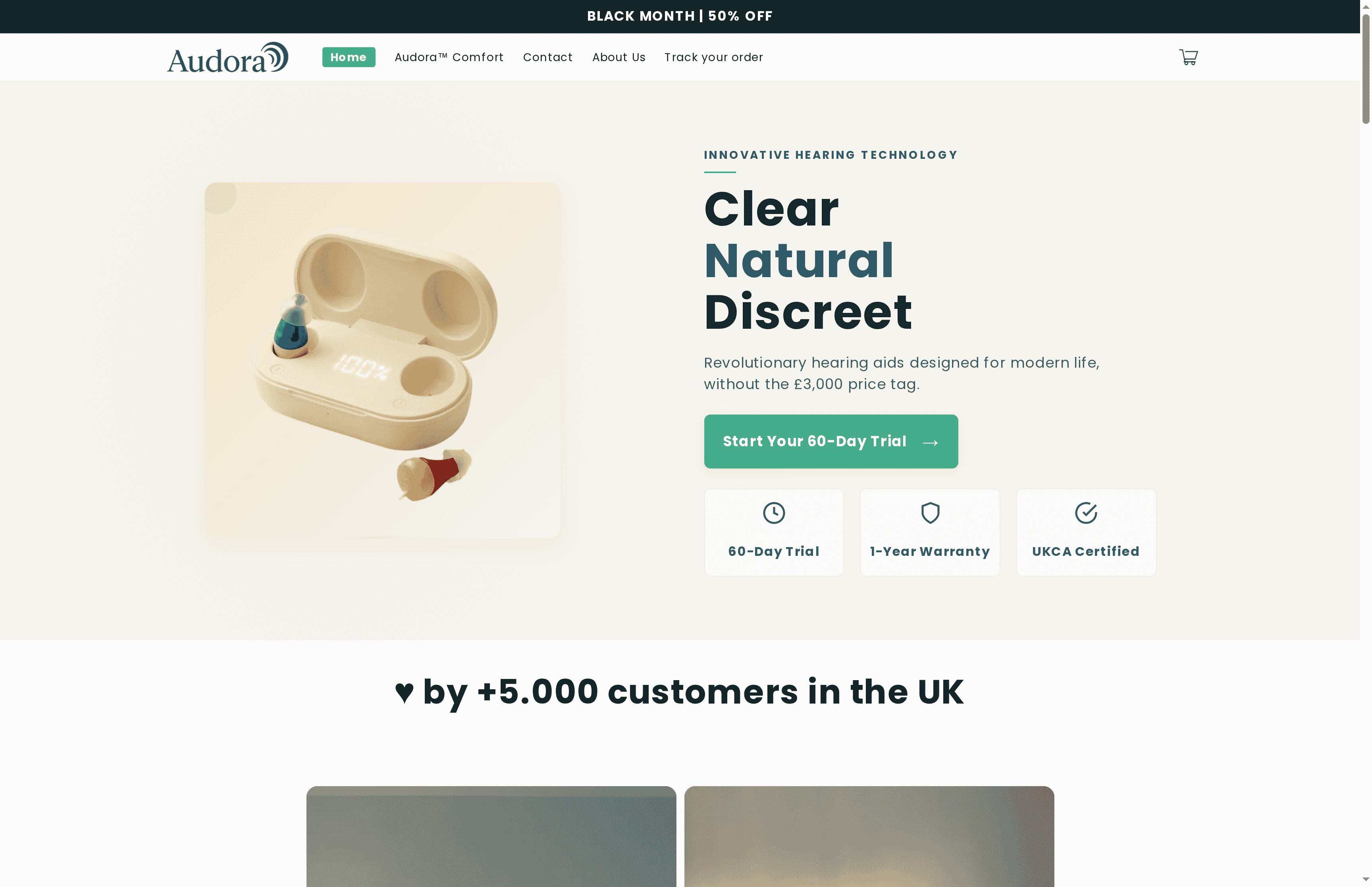
Explore the full range of discreet, rechargeable hearing aids on our Home page – Audora. Join thousands of satisfied users who have improved their wellbeing and communication with hearing devices designed for ease, comfort and affordability. Act now to benefit from our current promotional offers during National Hearing Week and start your journey to better hearing today at GetAudora.co.uk. Your hearing deserves quality care that fits your budget and lifestyle.
Frequently Asked Questions
What does affordability in hearing healthcare mean?
Affordability in hearing healthcare refers to an individual’s ability to access quality hearing solutions without facing significant financial strain. It includes factors like public funding coverage, out-of-pocket expenses, and regulatory frameworks.
How do direct-to-consumer hearing aids differ from traditional audiologist-fitted models?
Direct-to-consumer hearing aids allow users to self-assess their hearing and adjust device settings through smartphone apps, leading to lower costs and faster access. Traditional models require professional fitting and consultations, which can increase both time and expense.
What are the potential financial implications of untreated hearing loss?
Untreated hearing loss can lead to reduced employment opportunities, increased healthcare costs, and negative impacts on mental health, resulting in a substantial economic burden for individuals and society as a whole.
Are online hearing aid models safe and regulated?
Yes, online and direct-to-consumer hearing aid models are subject to the same rigorous government regulations as traditional models, ensuring product quality, consumer safety, and adherence to established medical device standards.
Recommended
- Why Affordable Hearing Solutions Matter Today – Audora
- Why Are Hearing Aids Expensive? The Truth Revealed – Audora
- 7 Smart Picks for an Affordable Hearing Solutions List – Audora
- Hearing Aid Cost: Everything You Need to Know – Audora
- Understanding Language Barriers in Healthcare: Key Insights - Unparalleled Global Benefits
- Early Release Of Super For Dental Work