

More than 40 percent of British adults over 50 experience some degree of hearing loss, yet access to quick, affordable solutions remains a challenge for many. Waiting lists for NHS hearing aids can be frustrating, driving people to seek more convenient options. If you want to enhance your daily conversations and reconnect with favourite sounds, this guide lays out straightforward steps for British adults to find the right hearing aids without the wait.
Table of Contents
- Step 1: Assess Hearing Needs And Preferences
- Step 2: Prepare Ears And Devices For Fitting
- Step 3: Customise Settings Via Smartphone App
- Step 4: Conduct Real-World Listening Tests
- Step 5: Verify Comfort And Make Final Adjustments
Quick Summary
| Key Insight | Explanation |
|---|---|
| 1. Comprehensive hearing assessment is vital | A detailed evaluation ensures hearing aids are tailored to individual communication needs for optimal performance. |
| 2. Prepare ears properly before fitting | Checking for infections and earwax prevents complications during the fitting of hearing aids, ensuring better performance. |
| 3. Customise settings using a smartphone app | Smartphone apps allow real-time adjustments, enhancing user control and personalisation based on different environments. |
| 4. Conduct real-world listening tests | Testing in everyday scenarios verifies the effectiveness of hearing aids, ensuring they meet practical communication needs. |
| 5. Verify comfort and make adjustments | Ensuring the hearing aid fits well and sounds appropriate is crucial for a seamless listening experience and satisfaction. |
Step 1: Assess Hearing Needs and Preferences
Conducting a comprehensive hearing assessment is the essential first step towards finding the right hearing solution tailored to your unique communication requirements. This initial phase involves a detailed audiometric evaluation that goes beyond simply measuring hearing thresholds to understanding how hearing loss impacts your daily life.
During this assessment, a professional audiologist will comprehensively evaluate your hearing needs through a series of precise diagnostic tests. These tests measure your hearing sensitivity across different frequencies and determine the specific type and severity of hearing loss. The evaluation considers critical factors such as your lifestyle, communication environments, and personal preferences to ensure the hearing aid fitting matches your individual requirements precisely. This means examining how you interact in various settings like quiet home environments, noisy restaurants, professional workplaces, or social gatherings.
The goal is to create a personalised hearing solution that seamlessly integrates with your life. Audiologists programme devices based on detailed test results and provide guidance on adjusting to new auditory experiences. They will help you understand device functions, manage background sounds, and support your transition to improved hearing clarity.
Professional Guidance: Bring a trusted family member or friend to your assessment who can provide additional insights about your communication challenges and support your hearing journey.
Here is a summary of essential factors considered during a comprehensive hearing assessment:
| Assessment Factor | Why It Matters | Impact on Solution |
|---|---|---|
| Hearing sensitivity | Identifies which frequencies are affected | Guides device selection and tuning |
| Type of hearing loss | Determines appropriate treatment option | Influences device type recommended |
| Lifestyle and activities | Matches aid to specific communication needs | Ensures fitting suits daily situations |
| Communication environments | Evaluates challenges in various settings | Aids in customising device programmes |
| Personal preferences | Considers comfort and usability wishes | Enhances satisfaction and acceptance |
Step 2: Prepare Ears and Devices for Fitting
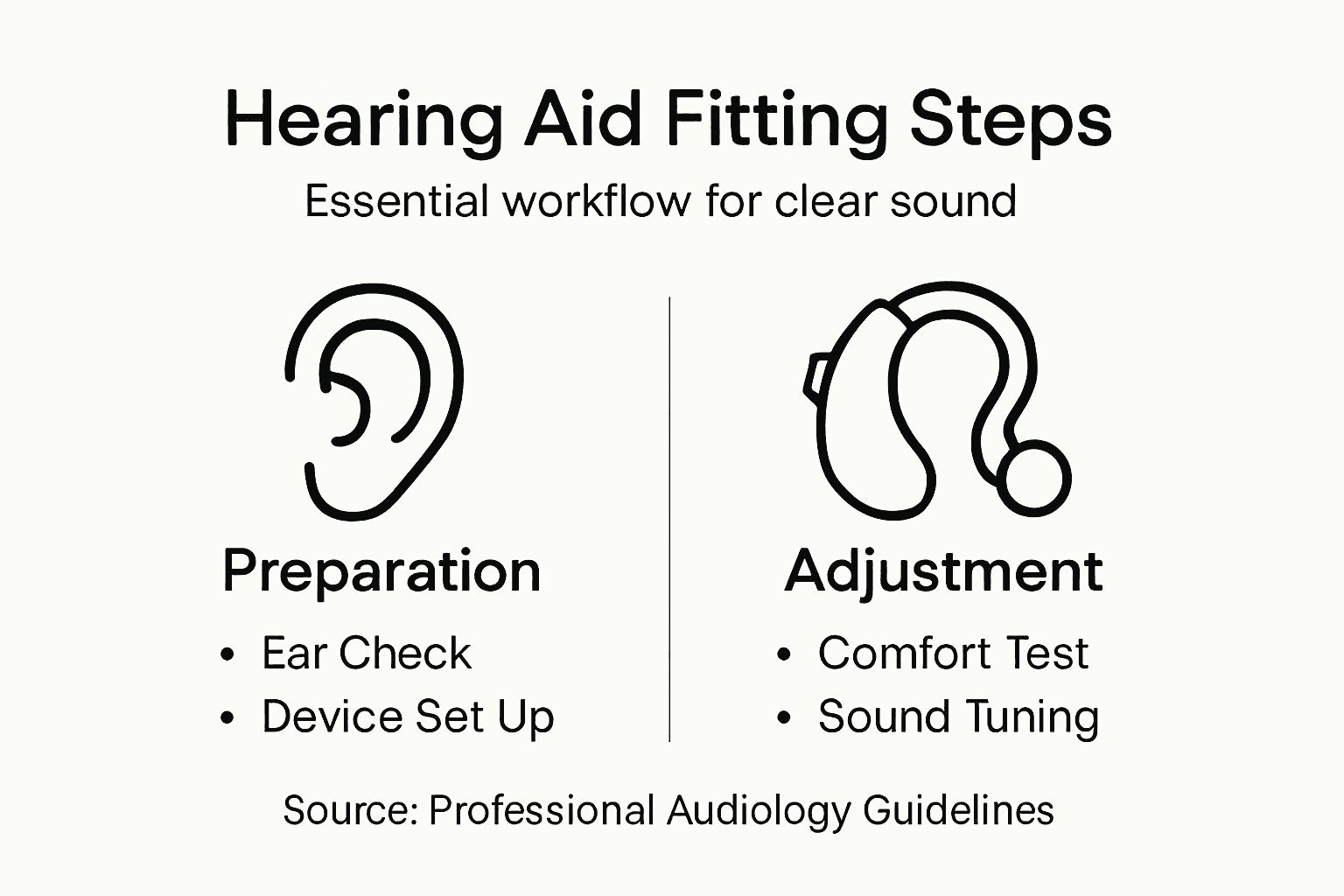
Preparing for your hearing aid fitting involves careful preliminary checks to ensure optimal device performance and comfort. This crucial stage sets the foundation for your entire hearing enhancement experience.
Before the actual fitting, a thorough examination is necessary to guarantee your ears are ready for the new device. Checking ears for potential issues is paramount, which includes screening for infections, excessive earwax, or other conditions that might interfere with hearing aid placement. Professionals will carefully inspect your ear canals to determine whether any preliminary treatments are required. If your chosen hearing aids are custom fitted, an ear impression might be taken to create precisely moulded devices that contour perfectly to your unique ear shape.
During this preparation phase, your audiologist will also review the specific hearing aids selected for you, ensuring they are fully charged, correctly programmed, and compatible with your specific hearing profile. They will examine the device’s physical components like speakers, microphones, and batteries, checking for any manufacturing defects or potential issues that could impact performance. This meticulous preparation helps guarantee that when the fitting occurs, every technical aspect is precisely calibrated to your individual hearing needs.
Expert Recommendation: Clean your ears gently with a soft cloth before your appointment and avoid using any ear drops or wax removal products without consulting your audiologist first.
Step 3: Customise Settings via Smartphone App
Modern hearing aid technology offers unprecedented personalisation through smartphone connectivity, giving you complete control over your hearing experience right from your mobile device. This digital approach transforms how you interact with your hearing aids, making adjustments more intuitive and responsive to your changing environments.
Smartphone connectivity enables seamless hearing aid customisation, allowing you to fine tune volume, switch between listening programmes, and adapt settings in real time. The associated smartphone app typically provides a user friendly interface where you can create personalised sound profiles for different scenarios such as quiet home settings, busy restaurants, outdoor environments, or workplace meetings. Most apps offer visual sound equaliser controls, allowing precise adjustments to bass, midrange, and treble frequencies to match your specific hearing requirements.
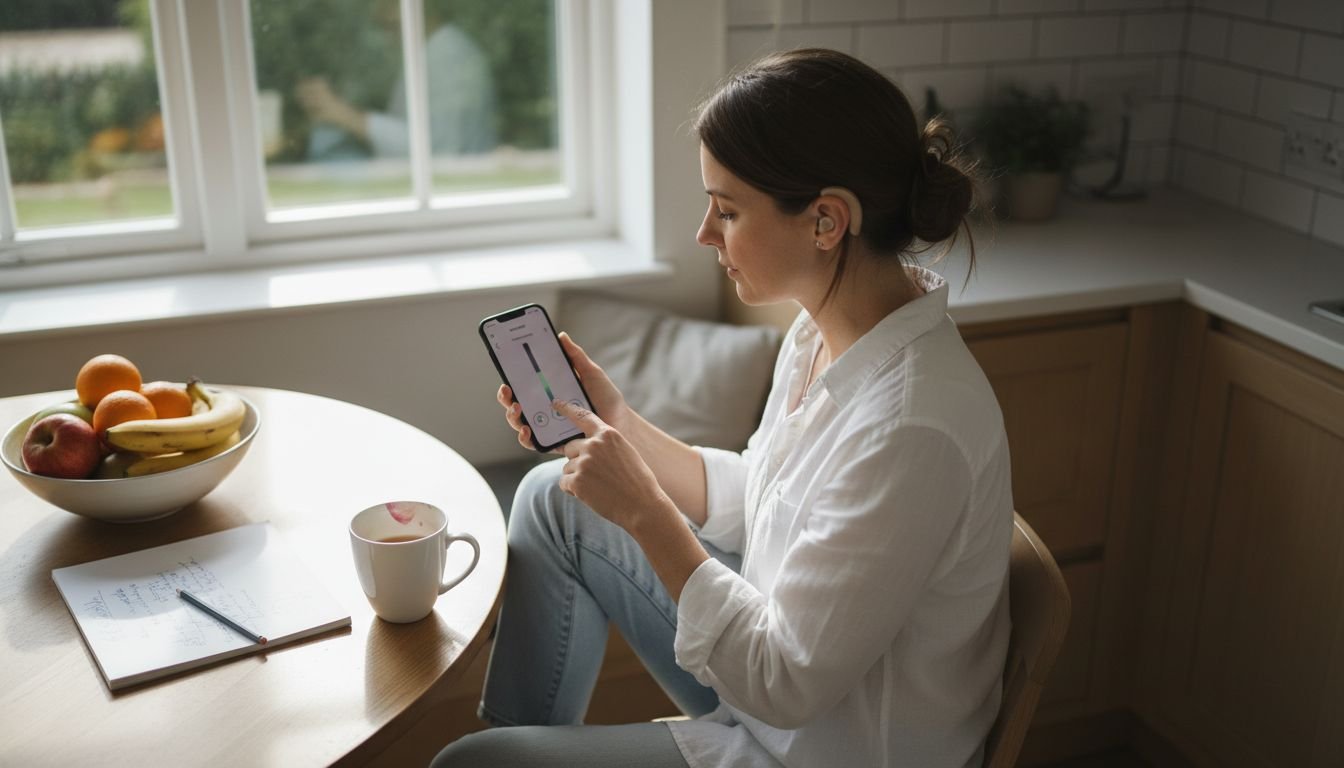
As you become more comfortable with the app, you will discover nuanced customisation options that can dramatically improve your auditory experience. These might include noise reduction settings, wind noise management, feedback suppression, and even geolocation based programme switching that automatically adjusts your hearing aids based on your physical location. Your audiologist can also remotely access these settings, providing professional guidance and fine tuning without requiring an in person appointment.
Expert Recommendation: Spend time exploring your hearing aid app during quiet moments, experimenting with different settings to understand how small adjustments can significantly enhance your listening experience.
Below is a comparison of smartphone app customisation versus in-person audiologist adjustments:
| Customisation Method | Main Benefit | Typical Use Case | Flexibility |
|---|---|---|---|
| Smartphone App | Real-time, on-the-go adjustments | Quick changes in loud environments | High, user-controlled |
| Audiologist Adjustment | Professional fine-tuning | Complex hearing requirements | Moderate, guided by expert |
Step 4: Conduct Real-World Listening Tests
Real-world listening tests represent a critical phase in your hearing aid journey, transforming theoretical device settings into practical auditory experiences. These tests bridge the gap between clinical assessments and your actual daily communication needs.
Real-world listening tests validate hearing aid performance across diverse environments that matter most to you. Your audiologist will guide you through systematic testing in various scenarios such as quiet home spaces, busy cafes, workplace settings, and social gatherings. During these tests, you will actively assess the hearing aids performance by engaging in conversations, listening to different sound levels, and providing immediate feedback about clarity, comfort, and sound quality. This process allows for precise adjustments that transform your hearing aid from a generic device to a personalised communication tool.
The listening tests typically involve a structured approach where you experience progressively complex auditory challenges. You might start in a controlled quiet environment, gradually moving to more challenging soundscapes with background noise, multiple speakers, or varying acoustic characteristics. Your active participation is crucial. Pay attention to how well you can distinguish speech, identify sound directions, and manage different volume levels. The goal is not just hearing sounds, but understanding them clearly and comfortably in real life situations.
Expert Recommendation: Keep a detailed journal during your listening tests, noting specific situations where you struggle or excel, which will help your audiologist make more precise adjustments.
Step 5: Verify Comfort and Make Final Adjustments
The final stage of your hearing aid fitting focuses on ensuring both physical comfort and precise sound performance, transforming your device from a technical instrument to a seamless extension of your hearing experience.
Audiologists verify physical hearing aid comfort through a meticulous process of checking custom earmould fit, tube positioning, and overall device placement. They will assess how the device sits in your ear, ensuring there are no pressure points, skin irritation risks, or uncomfortable friction. Your feedback during this stage is crucial. Pay attention to how the hearing aid feels when you talk, chew, move your head, and engage in different activities to confirm it remains stable and comfortable.
The adjustment phase involves fine tuning sound levels, managing potential feedback, and calibrating amplification to match your specific hearing profile. Your audiologist will make incremental modifications based on your real time responses, checking how different sound environments impact your hearing experience. This might involve testing the device during conversations, listening to music, watching television, or simulating challenging acoustic scenarios. The goal is to create a personalised hearing solution that feels natural and enhances your auditory perception without causing listening fatigue or discomfort.
Expert Recommendation: Wear the hearing aids for extended periods during this verification stage and maintain open communication with your audiologist about any sensations or sound quality concerns.
Discover a Smarter Approach to Hearing Aid Fittings with Audora
If you found value in understanding the detailed hearing aid fitting workflow for optimal clarity you will appreciate how Audora revolutionises the journey towards better hearing. The article highlights challenges such as personalised device settings, comfort verification and real world listening tests that often require lengthy clinic visits. Audora tackles these pain points by offering high quality UKCA certified AI powered hearing aids that you can buy directly online without NHS waiting lists or middlemen. With features like rechargeable batteries and intuitive smartphone app control you gain full independence to customise your hearing experience whenever and wherever you need it.
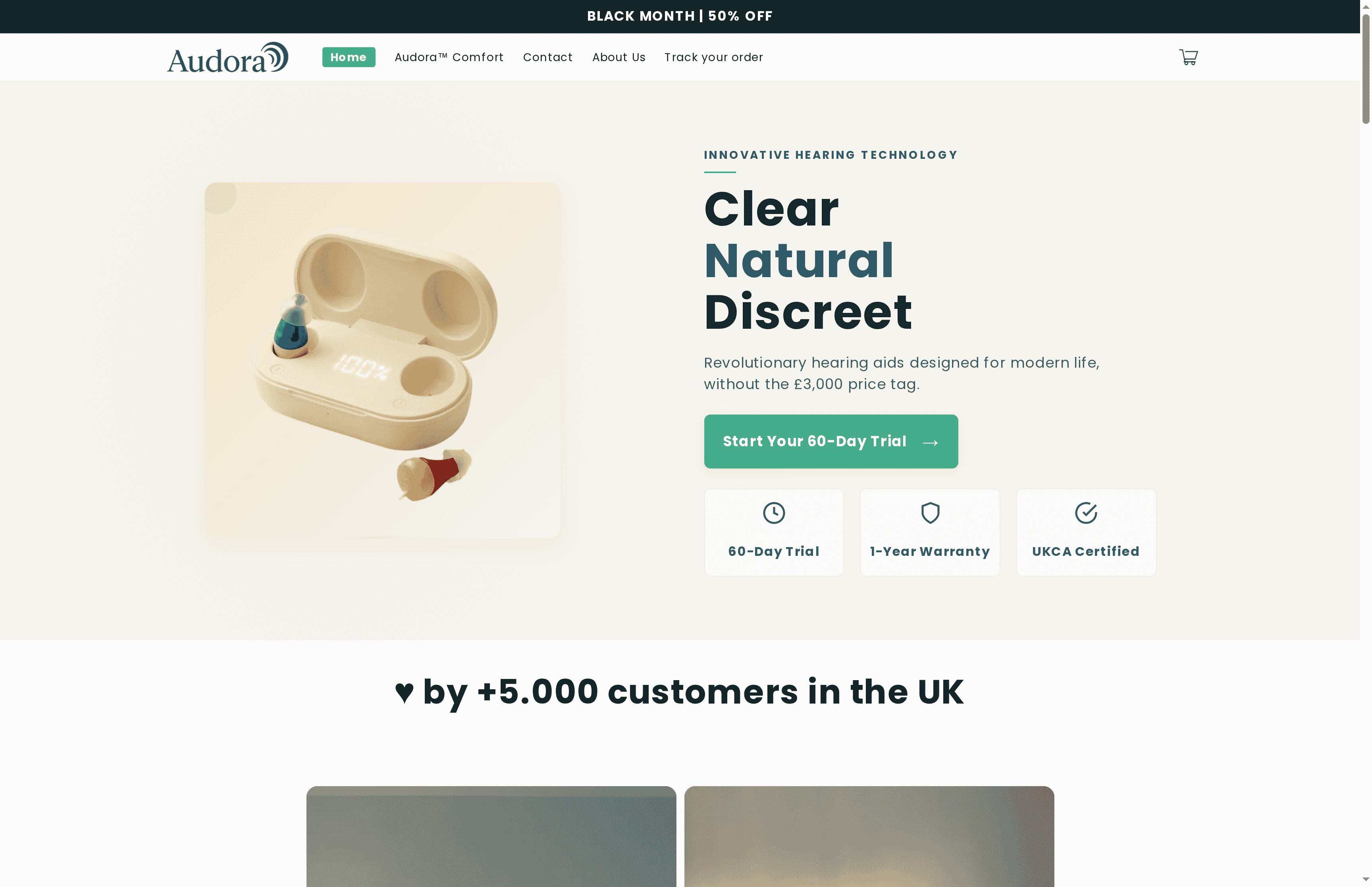
Ready to take control of your hearing health today Explore our collection of discreet invisible in ear digital hearing aids tailored to your lifestyle on the Home page Audora. Benefit from transparent pricing and save significantly compared to traditional hearing clinics. Visit https://getaudora.co.uk now and experience modern hearing solutions designed to fit seamlessly into your life. Your journey to optimal clarity starts here.
Frequently Asked Questions
What is the first step in the hearing aid fitting workflow?
The first step in the hearing aid fitting workflow is to assess your hearing needs and preferences through a comprehensive hearing assessment. Schedule an appointment with a qualified audiologist to conduct an audiometric evaluation that considers your daily communication requirements.
How do audiologists customise hearing aids for individual needs?
Audiologists customise hearing aids based on your hearing assessment results, lifestyle, and personal preferences. Ensure you communicate your specific environments, such as quiet home settings or busy restaurants, during your fitting to optimise device programming.
What should I do to prepare my ears for a hearing aid fitting?
To prepare your ears for a hearing aid fitting, have a thorough examination to check for infections, earwax, or other issues that may interfere with hearing aid placement. Consider cleaning your ears gently with a soft cloth before your appointment.
How can I use a smartphone app to adjust my hearing aids?
You can adjust your hearing aids using a smartphone app that allows for real-time customisation of volume and listening programmes. Take time to explore the app to create personalised sound profiles for different scenarios to improve your overall listening experience.
What happens during real-world listening tests with hearing aids?
During real-world listening tests, you will evaluate the performance of your hearing aids in various environments like busy cafés or quiet homes. Actively participate by providing feedback on clarity and comfort, which will help your audiologist make precise adjustments based on your experiences.
How do audiologists verify the comfort of my hearing aids?
Audiologists verify the comfort of your hearing aids by checking the fit, positioning, and sound performance during the fitting stage. Communicate any discomfort you feel while wearing the devices, and plan to wear them for extended periods to ensure they remain comfortable throughout daily activities.