

Over half of British families face long NHS waits when trying to secure hearing aids for elderly loved ones. The search for straightforward, affordable solutions often feels endless, leaving caregivers overwhelmed and under pressure. When every day counts for improving communication and quality of life, understanding your role in choosing the best hearing support options becomes crucial. This guide offers direct answers for British caregivers determined to make confident, informed choices without the hassle.
Table of Contents
- Defining The Caregiver’s Role In Hearing Aid Selection
- Types Of Hearing Aid Purchase Paths In The UK
- How Caregivers Assess Elderly Needs And Preferences
- Practical Involvement: Testing, Fitting, And Aftercare
- Comparing Clinic, NHS, And Direct-To-Consumer Options
- Common Pitfalls And How Caregivers Can Avoid Them
Key Takeaways
| Point | Details |
|---|---|
| Role of Caregivers | Caregivers are essential partners in the hearing aid selection process, influencing outcomes through emotional support and decision-making. |
| Paths to Acquisition | The UK offers various options for acquiring hearing aids, including NHS services, private clinics, and direct-to-consumer models, each with its own benefits and drawbacks. |
| Assessing Needs | Effective hearing needs assessment requires caregivers to document communication challenges and liaise closely with healthcare professionals to ensure suitable solutions. |
| Ongoing Support | Continuous education and active management strategies are crucial for caregivers to avoid common pitfalls in hearing aid support, ensuring optimal device performance for elderly individuals. |
Defining the Caregiver’s Role in Hearing Aid Selection
Caregivers play a pivotal role in supporting elderly individuals through the complex process of hearing aid selection and adaptation. Family involvement in audiological rehabilitation extends far beyond simple administrative support, transforming into a comprehensive partnership that significantly influences hearing health outcomes.
The caregiver’s responsibilities encompass multiple critical dimensions. These include gathering medical information, understanding the specific hearing needs of their elderly relative, researching appropriate hearing aid technologies, and providing emotional support during the adjustment process. Research indicates that caregivers are not merely passive participants but active decision-makers who bridge communication gaps between healthcare professionals and elderly patients. Challenges in hearing support for dementia residents highlight the complex nature of their role, particularly when managing hearing devices for individuals with additional cognitive challenges.
Effective caregiver involvement requires developing specific skills and knowledge. This includes understanding hearing aid functionality, learning proper maintenance techniques, recognising signs of device malfunction, and providing continuous emotional encouragement. Caregivers must become adept at navigating technical aspects while maintaining patience and empathy, recognising that hearing aid adaptation is both a technical and emotional journey for elderly individuals.
This table highlights key skills and knowledge areas caregivers should develop for successful hearing aid support:
| Skill Area | Why It Matters | Example in Practice |
|---|---|---|
| Device Functionality | Ensures proper daily use | Adjusting settings as required |
| Maintenance Techniques | Prolongs device lifespan | Routine cleaning and battery change |
| Emotional Encouragement | Boosts user confidence and comfort | Offering patience during adaptation |
| Problem Recognition | Swiftly addresses technical issues | Spotting feedback or sound loss |
Pro tip: Schedule regular family discussions about hearing health, creating an open dialogue that reduces stigma and increases collaborative decision-making around hearing aid selection and usage.
Types of Hearing Aid Purchase Paths in the UK
The United Kingdom offers multiple pathways for hearing aid acquisition, each with unique characteristics and considerations for elderly individuals and their caregivers. Diverse hearing healthcare service models demonstrate the complexity of navigating these options, which range from traditional NHS-funded services to modern direct-to-consumer solutions.
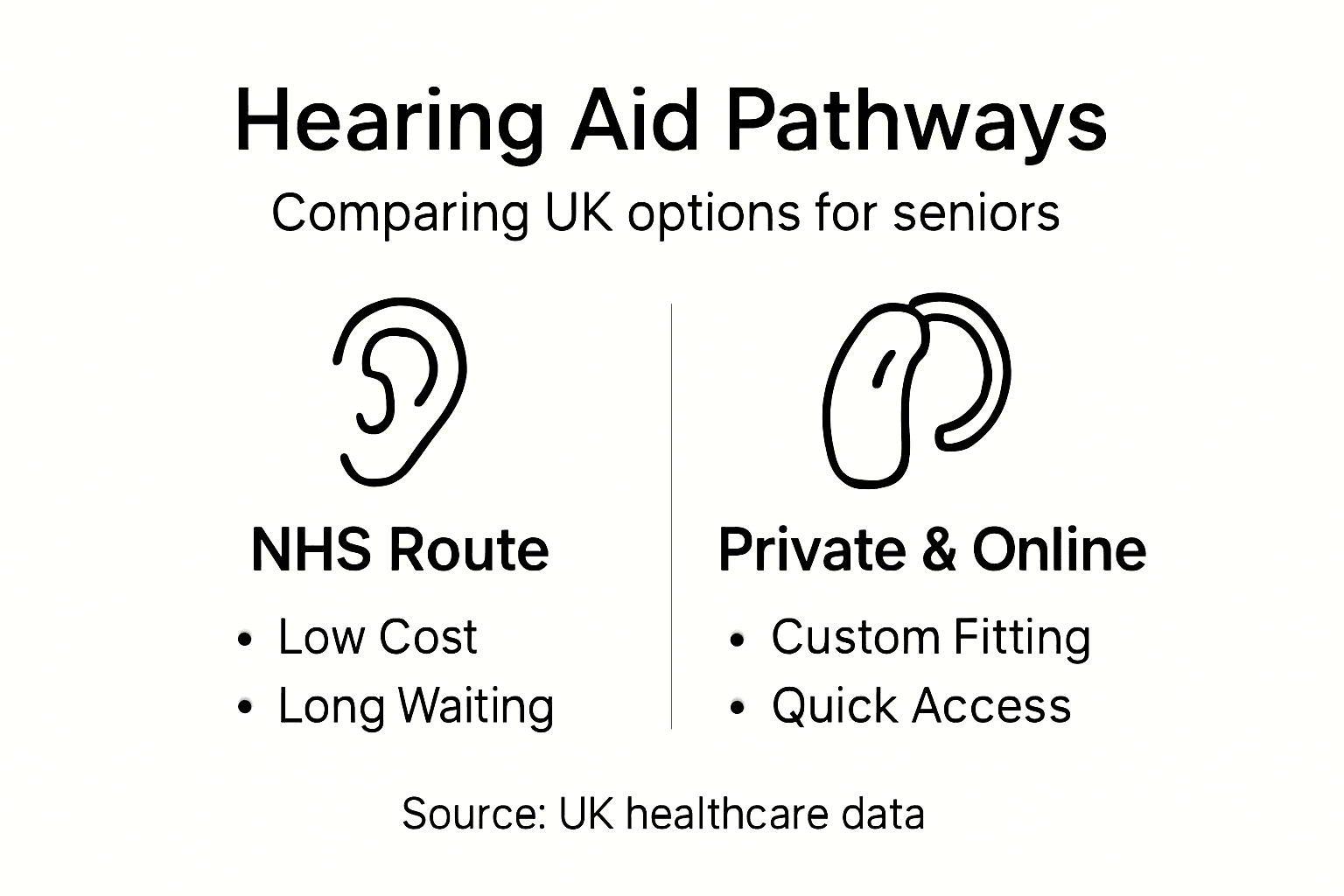
The primary purchase paths include the National Health Service (NHS) route, private clinic services, and emerging online direct purchasing platforms. The NHS pathway remains the most traditional approach, offering free hearing aids to eligible patients, though waiting times can be substantial. Private clinics provide faster service with more personalised consultations but come with significant out-of-pocket expenses. Hearing aid procurement options reveal that direct-to-consumer models are increasingly becoming a viable alternative, offering more affordable and convenient solutions for tech-savvy seniors and their supportive families.
Each purchase path presents distinct advantages and challenges. The NHS route provides comprehensive testing and device provision at no direct cost, making it attractive for budget-conscious families. Private clinics offer advanced technology and immediate fitting, appealing to those seeking premium experiences. Online platforms represent a flexible middle ground, combining affordability with convenience, often featuring comprehensive support packages and competitive pricing.
Here is a comparative summary of the main hearing aid acquisition pathways in the UK:
| Pathway | Cost to Patient | Speed of Access | Customisation Level |
|---|---|---|---|
| NHS | Free for eligible patients | Lengthy waiting periods | Limited device variation |
| Private Clinic | Full payment required | Immediate appointments | Wide choice, premium models |
| Direct-to-Consumer | Moderate, online pricing | Quick online delivery | Select models, virtual help |
Pro tip: Compare multiple hearing aid purchase paths by creating a detailed spreadsheet tracking costs, waiting times, device features, and support services to make an informed decision.
How Caregivers Assess Elderly Needs and Preferences
Caregiver assessment of hearing needs represents a nuanced and multifaceted approach that goes far beyond simple medical evaluation. Psychological assessment of hearing challenges involves careful observation of communication difficulties, behavioural changes, and daily interaction patterns that might indicate hearing impairment.
The assessment process typically encompasses several critical dimensions. Caregivers must meticulously document communication barriers, such as frequent requests for repetition, increased television volume, or social withdrawal that might suggest hearing difficulties. Family caregiver decision-making processes reveal that successful hearing aid selection requires understanding the elderly individual’s lifestyle, personal preferences, and specific communication environments.
Effective assessment involves collaborative strategies between caregivers, elderly individuals, and healthcare professionals. This includes conducting detailed interviews about daily communication experiences, observing social interactions, and identifying specific scenarios where hearing challenges emerge. Caregivers must balance objective medical information with the subjective emotional and practical needs of their elderly relatives, recognising that hearing aid selection is as much about personal comfort and confidence as it is about technical specifications.
Pro tip: Create a comprehensive hearing assessment journal documenting communication challenges, noting specific situations where hearing difficulties arise, to provide audiologists with detailed, contextual information.
Practical Involvement: Testing, Fitting, and Aftercare
Caregivers play a critical role in the practical aspects of hearing aid management, extending far beyond initial selection. Hearing aid management in care settings reveals the complexity of supporting elderly individuals through testing, fitting, and ongoing maintenance processes.
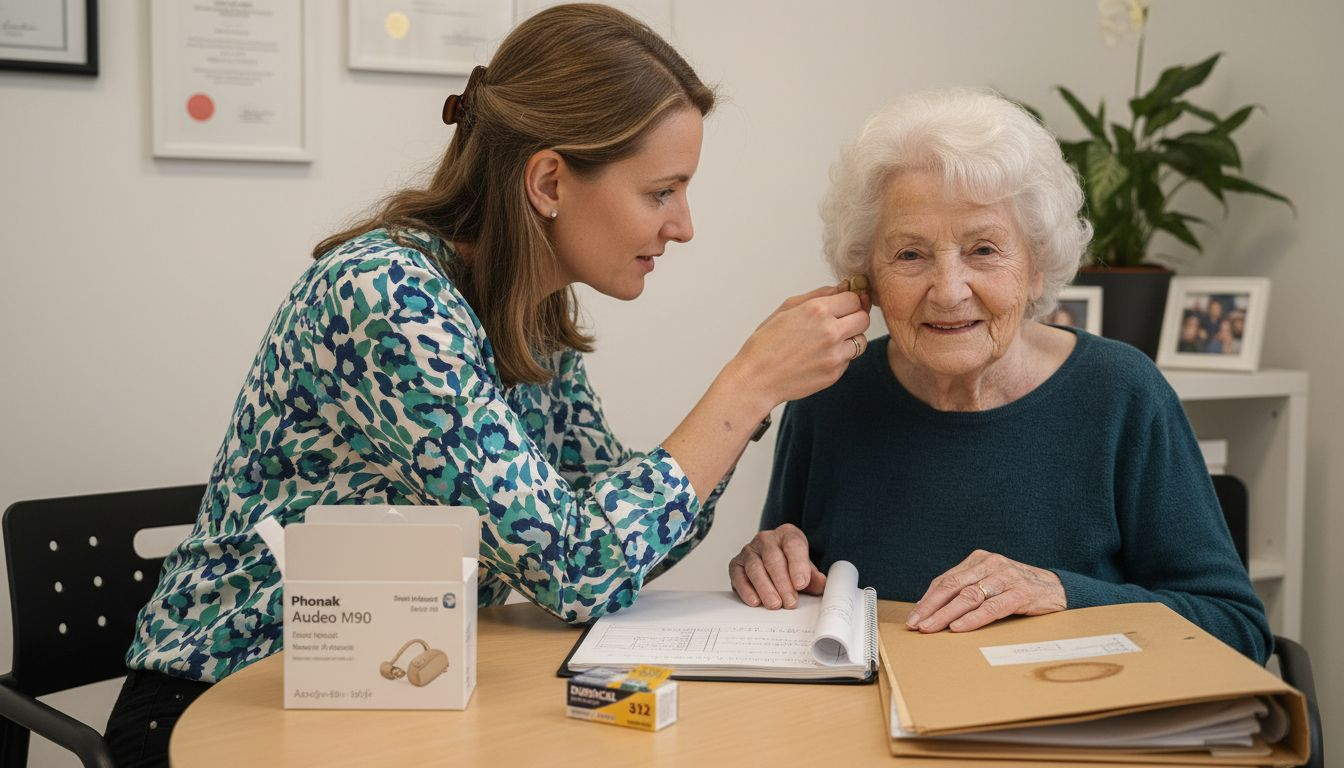
The testing phase requires detailed collaboration between caregivers, audiologists, and elderly individuals. Caregivers must actively participate by documenting communication challenges, accompanying their relatives to appointments, and providing comprehensive background information about hearing difficulties. Caregiver involvement in hearing aid support highlights the importance of understanding device functionality, learning proper insertion techniques, and recognising potential adjustment requirements.
Aftercare represents a continuous commitment that demands patience, technical understanding, and emotional support. Successful management involves regular device cleaning, battery replacement, volume adjustment, and monitoring for potential issues. Caregivers must develop a systematic approach to maintenance, including creating a dedicated schedule for device checks, understanding troubleshooting techniques, and maintaining open communication with healthcare professionals to ensure optimal hearing aid performance.
Pro tip: Create a dedicated hearing aid care kit with specialised cleaning tools, spare batteries, and a maintenance log to streamline daily device management and track performance.
Comparing Clinic, NHS, and Direct-to-Consumer Options
The United Kingdom offers multiple hearing aid acquisition pathways, each with distinct characteristics and implications for elderly individuals and their caregivers. Adult hearing service models reveal the nuanced landscape of hearing healthcare options, demonstrating significant variations in accessibility, cost, and patient experience.
NHS services represent the traditional route, providing free hearing aids with comprehensive testing but often accompanied by lengthy waiting periods. Private clinics offer faster, more personalised services with immediate consultations and advanced technology options, though at considerably higher costs. Hearing aid service delivery variations highlight emerging direct-to-consumer platforms as a flexible alternative, combining affordability with convenience and reducing barriers typically associated with traditional procurement methods.
Each pathway presents unique advantages and challenges. The NHS route ensures financial accessibility but may compromise on speed and device customisation. Private clinics provide premium experiences with immediate fittings and advanced technological choices. Direct-to-consumer models are disrupting traditional frameworks by offering streamlined, cost-effective solutions that empower caregivers with greater flexibility in hearing aid selection, often including comprehensive online support and more transparent pricing structures.
Pro tip: Create a comparative spreadsheet tracking waiting times, costs, technology features, and support services across different hearing aid procurement pathways to make an informed, personalised decision.
Common Pitfalls and How Caregivers Can Avoid Them
Hearing aid support involves navigating complex challenges that can significantly impact elderly individuals’ quality of life. Caregiver challenges in hearing support reveals multiple systemic barriers that prevent effective hearing aid management, highlighting the need for strategic interventions and informed approaches.
The most prevalent pitfalls emerge from communication gaps, insufficient training, and unclear role boundaries. Caregivers often struggle with technical device maintenance, misunderstand adjustment protocols, and lack comprehensive understanding of hearing aid functionality. Hearing aid management protocols emphasise the importance of structured training programmes and establishing clear support frameworks that empower caregivers with practical knowledge and confidence.
Preventative strategies require a multifaceted approach. Caregivers must prioritise continuous education, seek professional guidance, maintain open communication with audiologists, and develop systematic approaches to device management. This includes creating detailed maintenance schedules, understanding potential device issues, learning proper cleaning techniques, and establishing consistent monitoring practices that ensure optimal hearing aid performance and longevity.
Pro tip: Develop a dedicated hearing aid support notebook documenting device serial numbers, maintenance schedules, professional contact details, and observed performance patterns to streamline communication and tracking.
Empower Caregivers with Accessible Hearing Aid Solutions for Elderly Wellbeing
Supporting an elderly loved one through hearing aid selection and adaptation demands patience, knowledge, and practical tools. The article highlights the challenges caregivers face in navigating technical maintenance, emotional support, and multiple purchase pathways within the UK healthcare system. At GetAudora.co.uk, we understand these complexities and offer a user-friendly alternative that empowers caregivers and elderly users alike.

Explore our range of innovative, AI-powered hearing aids that provide discreet, in-ear comfort with rechargeable batteries and smartphone controls. Avoid long NHS waiting lists and costly clinic appointments by choosing affordable devices with full UKCA certification and comprehensive support. Take control of your loved one’s hearing health today by visiting our Home page – Audora to compare features, read educational content, and enjoy exclusive offers during National Hearing Week. Make a positive impact on elderly wellbeing with hearing aids designed for easy adaptation and effective use. Act now and bring clarity back to conversations at https://getaudora.co.uk.
Frequently Asked Questions
What role do caregivers play in hearing aid selection for the elderly?
Caregivers are crucial in the hearing aid selection process, encompassing responsibilities such as gathering medical information, understanding hearing needs, researching technologies, and providing emotional support throughout the adjustment process.
How can caregivers assess the hearing needs of elderly individuals?
Caregivers can assess hearing needs by documenting communication barriers, observing daily interaction patterns, conducting interviews about communication experiences, and identifying specific scenarios where hearing difficulties arise.
What are common pitfalls caregivers face when supporting elderly individuals with hearing aids?
Common pitfalls include communication gaps, lack of training, and unclear roles. Caregivers may struggle with device maintenance, adjustment protocols, and understanding hearing aid functionality, which can hinder effective support.
What are the main pathways for obtaining hearing aids, and how do they differ?
The main pathways for obtaining hearing aids include NHS services, private clinics, and direct-to-consumer platforms. NHS services are free but may have long waiting times, while private clinics offer immediate fittings at higher costs, and direct-to-consumer platforms provide affordable options with convenience and online support.